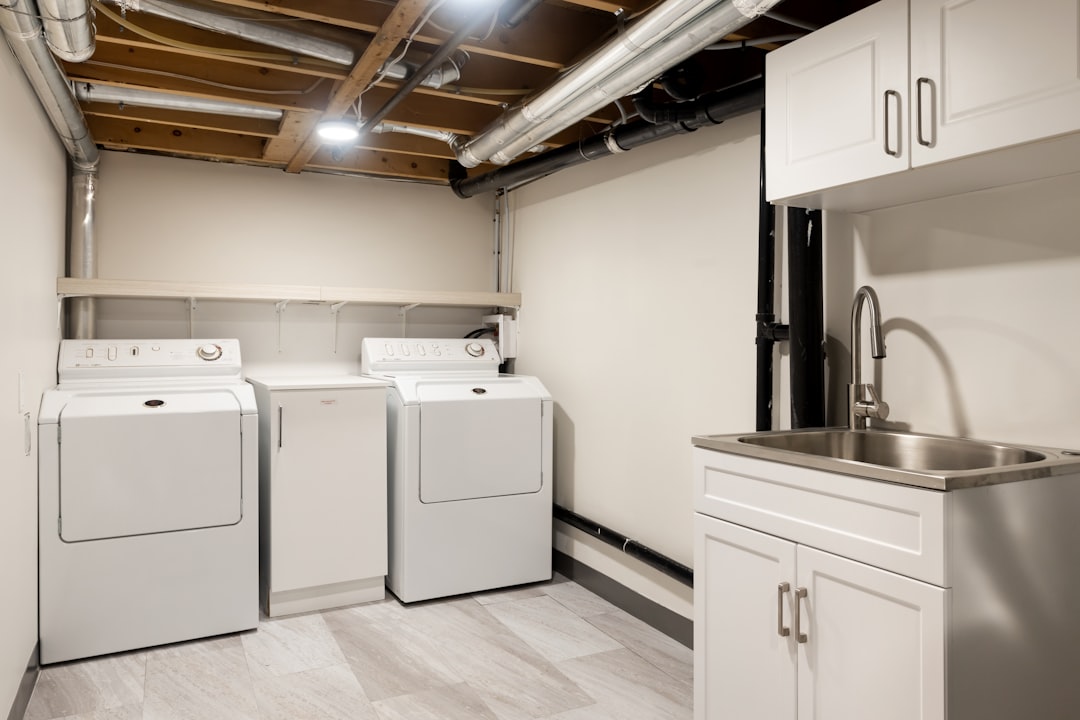
In the vibrant borough of Brooklyn, New York, the real estate landscape is as diverse as its population. With a growing demand for housing and an ever-increasing cost of living, homeowners are increasingly looking to maximize their property’s potential. One of the most effective ways to achieve this is through basement apartment renovations.
Transforming an underutilized basement into a livable space not only enhances the property’s value but also provides an opportunity for additional rental income. As Brooklyn continues to evolve, the trend of converting basements into apartments has gained traction, making it a focal point for both homeowners and investors. The allure of basement apartments lies in their potential to serve as separate living spaces, ideal for renters seeking affordable housing options in a city where space is at a premium.
These renovations can range from simple updates to extensive remodels, depending on the existing conditions and the homeowner’s vision. However, embarking on such a project requires careful planning and consideration of various factors, including legal regulations, costs, and potential returns on investment (ROI). Understanding these elements is crucial for anyone considering a basement apartment renovation in Brooklyn.
Key Takeaways
- Basement apartment renovations in Brooklyn, NY can be a lucrative investment opportunity for homeowners.
- Understanding the potential ROI of basement apartment renovations is crucial for making informed decisions.
- Factors such as the size of the apartment, quality of renovations, and local rental market can impact the ROI of basement apartment renovations.
- It’s important to weigh the cost of renovations against the potential rental income to determine the profitability of the project.
- The location of the property plays a significant role in determining the ROI of basement apartment renovations in Brooklyn, NY.
Understanding the Potential ROI of Basement Apartment Renovations
The return on investment (ROI) for basement apartment renovations can be substantial, particularly in a competitive market like Brooklyn. Homeowners can expect to see an increase in property value that often exceeds the initial costs of renovation. According to various real estate studies, well-executed basement conversions can yield an ROI of 70% to 100%, depending on the quality of the work and the local rental market conditions.
This makes it an attractive option for homeowners looking to enhance their financial standing while contributing to the housing supply in their community. Moreover, the potential for generating rental income adds another layer of financial benefit. In neighborhoods where rental demand is high, a renovated basement apartment can command significant monthly rent, providing a steady stream of income that can offset mortgage payments or fund further home improvements.
For instance, if a homeowner invests $50,000 in renovations and subsequently rents out the space for $2,000 per month, they could recoup their investment within just over two years, assuming consistent occupancy. This financial model illustrates why many Brooklyn homeowners are increasingly drawn to basement renovations as a viable investment strategy.
Factors that Impact the ROI of Basement Apartment Renovations
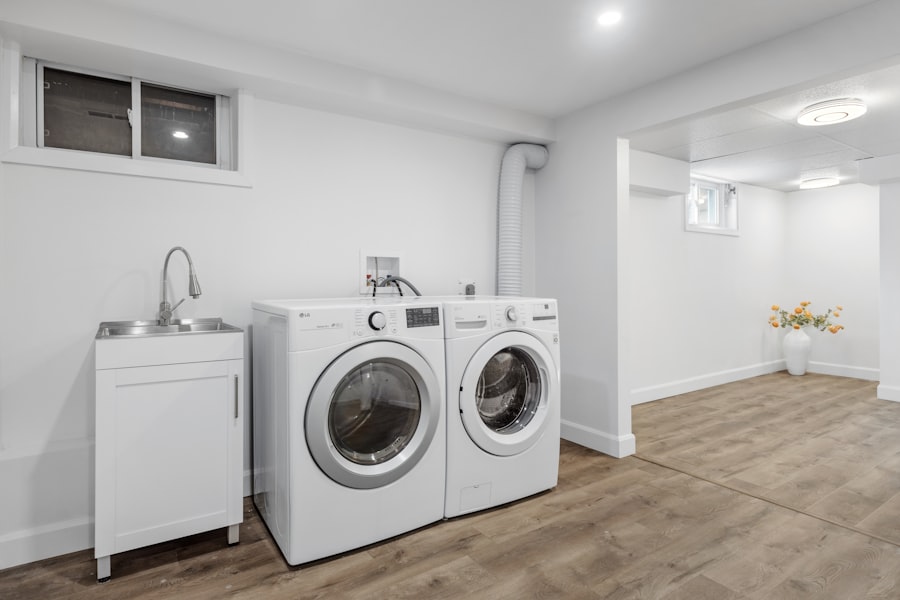
Several factors influence the ROI of basement apartment renovations, and understanding these can help homeowners make informed decisions. First and foremost is the quality of the renovation itself. High-quality finishes, modern amenities, and thoughtful design can significantly enhance the appeal of a basement apartment.
For example, incorporating energy-efficient appliances and fixtures not only attracts tenants but also reduces utility costs, making the space more desirable.
Areas experiencing rapid growth or gentrification often see higher demand for rental units, which can lead to increased rental prices.
Conversely, neighborhoods with stagnant or declining populations may not yield the same financial benefits from a renovation. Homeowners should conduct thorough market research to assess rental trends and pricing in their specific area before committing to a renovation project. Additionally, understanding the target demographic—whether young professionals, families, or students—can guide design choices that align with tenant preferences.
When considering basement apartment renovations, it is essential to weigh the costs against potential rental income carefully. The initial investment can vary widely based on factors such as the size of the basement, existing conditions, and desired finishes. Basic renovations might include installing drywall, flooring, and lighting fixtures, while more extensive projects could involve plumbing and electrical upgrades or even adding windows for natural light and ventilation.
To illustrate this point, let’s consider a hypothetical scenario: A homeowner spends $60,000 on a comprehensive renovation that includes creating a separate entrance, adding a bathroom, and modernizing the kitchen area. If this newly created apartment can be rented out for $2,500 per month in a desirable neighborhood, the annual rental income would amount to $30,000. This means that within two years, the homeowner could potentially recover their renovation costs through rental income alone.
However, it is crucial to account for ongoing expenses such as property taxes, maintenance costs, and potential vacancies when calculating net income.
The Impact of Location on ROI
Location plays a pivotal role in determining the ROI of basement apartment renovations in Brooklyn. The borough is characterized by its distinct neighborhoods, each with unique characteristics that influence property values and rental demand. For instance, areas like Williamsburg and DUMBO have seen significant appreciation due to their proximity to Manhattan and vibrant cultural scenes.
In contrast, neighborhoods further from public transportation or amenities may not attract as much interest from potential renters. Additionally, proximity to schools, parks, and public transportation can enhance a basement apartment’s appeal. Families may prioritize access to quality schools and recreational spaces, while young professionals might seek locations with easy commutes to work or vibrant nightlife options.
Homeowners should consider these factors when evaluating their property’s location and its potential impact on rental income and overall ROI.
Legal and Zoning Considerations for Basement Apartment Renovations
Meeting Safety Standards
New York City requires basement apartments to meet certain safety standards, including egress, ventilation, and ceiling height. Homeowners must ensure their basement apartment meets these standards to guarantee a safe living space.
Understanding Zoning Laws
Homeowners should consult with local zoning laws to determine if their property is eligible for conversion into a legal rental unit. In some cases, obtaining permits may be necessary before beginning construction.
Working with Professionals
Engaging with professionals, such as architects or contractors, who are familiar with local regulations can simplify the process and ensure that all work is compliant with city codes. This can help homeowners avoid potential legal issues and ensure a successful renovation project.
Potential Tax Benefits of Basement Apartment Renovations
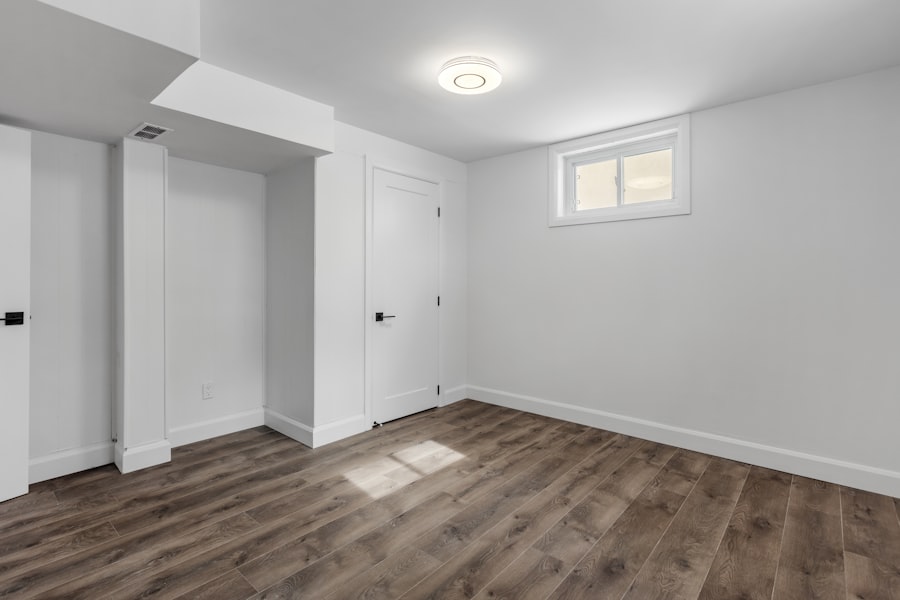
Renovating a basement into an apartment can also offer potential tax benefits that homeowners should consider when evaluating their investment. In some cases, homeowners may be eligible for tax deductions related to renovation expenses if they are renting out the space. For example, expenses incurred during the renovation process—such as materials, labor costs, and even certain permits—may be deductible against rental income.
Additionally, if the property owner qualifies as a small business under IRS guidelines due to their rental activities, they may be able to take advantage of further tax benefits associated with depreciation on the property. This means that over time, homeowners could potentially reduce their taxable income by accounting for wear and tear on their renovated space. Consulting with a tax professional who understands real estate investments can provide valuable insights into maximizing these benefits.
Financing Options for Basement Apartment Renovations
Financing a basement apartment renovation can be approached through various avenues depending on individual circumstances and financial goals. Traditional home equity loans or lines of credit are popular options for homeowners looking to leverage their existing equity for renovations. These loans typically offer lower interest rates compared to personal loans or credit cards since they are secured by the home itself.
Another option is obtaining a renovation loan specifically designed for home improvement projects. Programs like FHA 203(k) loans allow homeowners to finance both the purchase of a property and its renovation costs in one mortgage package. This can be particularly beneficial for those looking to buy a property that requires significant updates before it can be rented out or lived in comfortably.
Case Studies: Successful Basement Apartment Renovations in Brooklyn, NY
Examining successful case studies of basement apartment renovations in Brooklyn provides valuable insights into best practices and potential pitfalls. One notable example is a homeowner in Park Slope who transformed an underutilized basement into a stylish one-bedroom apartment complete with modern amenities and separate entrance access. By investing approximately $70,000 into high-quality finishes and ensuring compliance with local regulations, they were able to rent out the space for $2,800 per month within just three months of completion.
Another case involved a family in Bushwick who converted their basement into two smaller studio apartments aimed at young professionals seeking affordable housing options near public transportation hubs. By strategically designing each unit with efficient layouts and maximizing natural light through well-placed windows, they achieved an impressive rental income of $3,500 per month combined from both units after an investment of $90,000 in renovations.
Tips for Maximizing the ROI of Basement Apartment Renovations
To maximize ROI from basement apartment renovations in Brooklyn, homeowners should consider several strategic approaches throughout the planning and execution phases.
This knowledge will inform design choices that resonate with potential renters while ensuring competitive pricing.
Additionally, investing in energy-efficient upgrades can enhance appeal while reducing long-term operating costs. Features such as energy-efficient appliances or smart home technology not only attract environmentally conscious tenants but also contribute to lower utility bills—an attractive selling point for prospective renters. Finally, maintaining open communication with contractors throughout the renovation process ensures that any issues are addressed promptly while keeping the project on schedule and within budget.
Regularly reviewing progress against established timelines helps prevent costly delays that could impact rental readiness.
Is a Basement Apartment Renovation a Good Investment in Brooklyn, NY?
In summary, basement apartment renovations present an enticing opportunity for homeowners in Brooklyn looking to enhance property value while generating additional income streams. With careful planning around costs versus potential rental income—alongside consideration of location dynamics and legal requirements—homeowners can navigate this complex landscape effectively. As demand for affordable housing continues to rise within this vibrant borough, investing in basement apartments may prove not only financially rewarding but also beneficial for community development as well.
If you are considering renovating a basement apartment in Brooklyn, NY, you may want to check out this article on real estate trends in the area. Understanding the market and potential return on investment can help guide your renovation decisions. Additionally, you can browse through our wishlist page to get inspiration for your project and see examples of our team’s work on our team page.
FAQs
What is the average ROI of basement apartment renovations in Brooklyn, NY?
The average ROI of basement apartment renovations in Brooklyn, NY is typically around 70-80%.
What are some common renovations that can increase the ROI of a basement apartment in Brooklyn, NY?
Common renovations that can increase the ROI of a basement apartment in Brooklyn, NY include adding a separate entrance, updating the kitchen and bathroom, improving natural light, and creating a functional living space.
How long does it take to recoup the cost of basement apartment renovations in Brooklyn, NY?
On average, it takes about 5-7 years to recoup the cost of basement apartment renovations in Brooklyn, NY through rental income.
Are there any specific regulations or permits required for basement apartment renovations in Brooklyn, NY?
Yes, there are specific regulations and permits required for basement apartment renovations in Brooklyn, NY. It is important to consult with a professional contractor or architect to ensure compliance with local building codes and zoning regulations.
What are some factors that can affect the ROI of basement apartment renovations in Brooklyn, NY?
Factors that can affect the ROI of basement apartment renovations in Brooklyn, NY include the quality of the renovation, the location of the property, the current real estate market, and the demand for rental properties in the area.