Lighting plays a pivotal role in shaping the ambiance and functionality of any living space, but its significance is magnified in a basement apartment. Often characterized by limited natural light and lower ceilings, basement apartments can easily feel cramped and uninviting. Proper lighting can transform these spaces, making them feel more open, airy, and welcoming.
The right lighting not only enhances the aesthetic appeal but also affects mood and productivity. A well-lit basement can serve as a cozy retreat, a vibrant workspace, or an inviting entertainment area, depending on how the lighting is utilized. Moreover, lighting can significantly impact the perceived size of a basement apartment.
Dark corners and poorly lit areas can create a sense of confinement, while strategically placed lights can draw the eye upward and outward, creating an illusion of spaciousness. Understanding the importance of lighting in a basement apartment is essential for maximizing both comfort and functionality. It allows residents to create an environment that feels larger and more inviting, ultimately enhancing their quality of life in what might otherwise be a challenging living situation.
Key Takeaways
- Proper lighting is crucial in a basement apartment to create a bright and inviting space.
- Choose light fixtures that complement the size and style of your basement, and consider LED options for energy efficiency.
- Utilize natural light by keeping windows unobstructed and using light-colored window treatments.
- Incorporate mirrors to bounce light around the room and make the space feel larger.
- Use layered lighting with a mix of ambient, task, and accent lights to add depth and create a cozy atmosphere.
Choosing the Right Light Fixtures for Your Space
Selecting the appropriate light fixtures is crucial for achieving the desired atmosphere in a basement apartment. The choice of fixtures should align with the overall design aesthetic while also addressing practical needs. For instance, recessed lighting is an excellent option for low ceilings, as it provides illumination without taking up visual space.
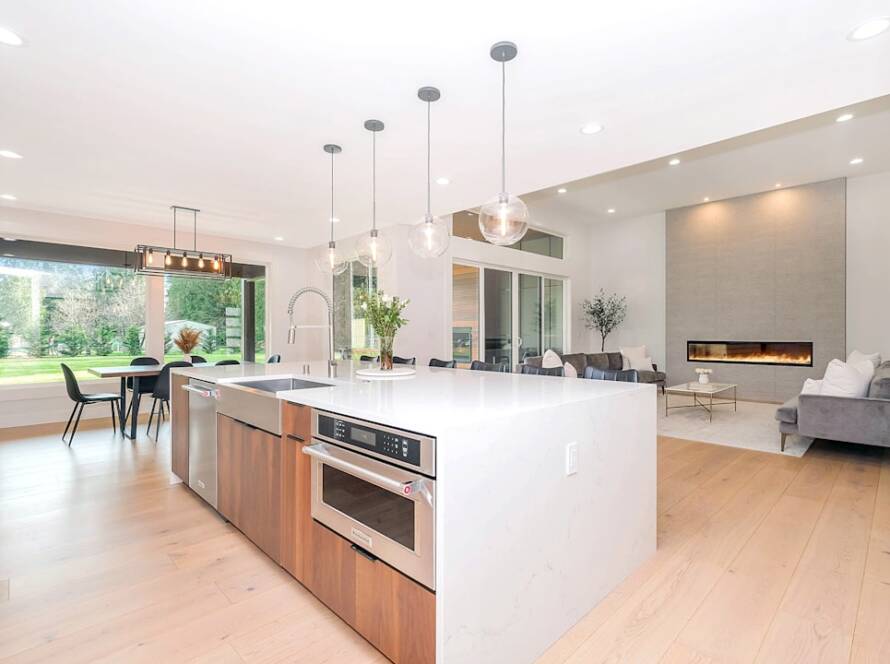
These fixtures can be strategically placed to highlight specific areas, such as artwork or architectural features, while maintaining a clean and uncluttered look. In contrast, pendant lights can add character and style to a basement apartment, especially in areas like kitchens or dining spaces. They come in various designs, from modern to vintage, allowing residents to express their personal style.
Additionally, floor lamps and table lamps can provide localized lighting for reading nooks or workspaces, offering flexibility in how light is distributed throughout the apartment. When choosing fixtures, it’s essential to consider not only their aesthetic appeal but also their functionality and energy efficiency, as these factors contribute to the overall comfort and sustainability of the living space.
Utilizing Natural Light to Brighten Up Your Basement
While basement apartments often lack abundant natural light, there are ways to maximize whatever sunlight is available. If windows are present, it’s important to keep them unobstructed by heavy drapes or furniture that could block light. Opting for sheer curtains or blinds that can be easily opened allows sunlight to filter in while still providing privacy.
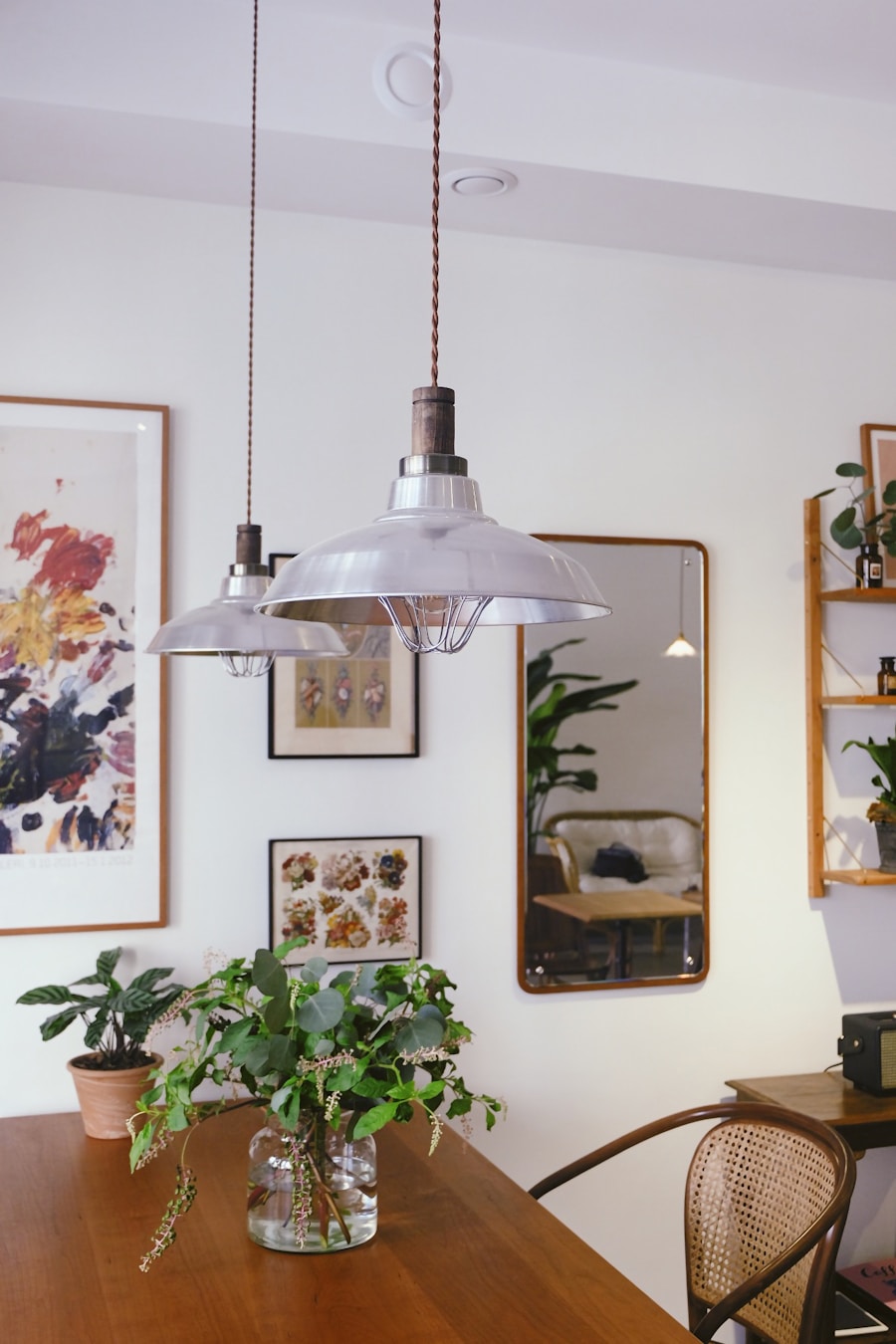
Additionally, using light-colored window treatments can help reflect light back into the room, enhancing brightness. Incorporating reflective surfaces can also amplify natural light. For example, placing mirrors opposite windows can create a sense of depth and bounce sunlight around the room.
If possible, consider installing skylights or light tubes to bring in additional natural light from above. These architectural features can dramatically change the atmosphere of a basement apartment by flooding it with daylight, making it feel more connected to the outdoors. By creatively utilizing natural light sources, residents can significantly improve the overall brightness and livability of their basement spaces.
Incorporating Mirrors to Reflect Light and Create the Illusion of Space
Mirrors are powerful tools in interior design, particularly in smaller spaces like basement apartments. They not only serve a functional purpose but also enhance the visual appeal of a room by reflecting light and creating an illusion of depth. Strategically placing mirrors can make a basement feel larger and more open.
For instance, a large mirror on one wall can visually expand the space, making it appear as though there is more room than actually exists. In addition to their size-enhancing properties, mirrors can also be used to reflect light sources within the apartment. A well-placed mirror opposite a window or light fixture can double the effect of that light source, brightening dark corners and creating a more inviting atmosphere.
Decorative mirrors with unique frames can also serve as statement pieces that add character to the decor. By incorporating mirrors thoughtfully into the design scheme, residents can effectively manipulate light and space to create a more dynamic living environment.
Using Layered Lighting to Create Depth and Dimension
Layered lighting is an essential concept in interior design that involves combining different types of lighting—ambient, task, and accent—to create a well-rounded illumination scheme. In a basement apartment, where natural light may be limited, layered lighting becomes even more critical for achieving depth and dimension. Ambient lighting provides overall illumination and sets the mood for the space; this can be achieved through ceiling fixtures or wall sconces.
Task lighting focuses on specific areas where activities such as reading or cooking take place. This type of lighting is crucial in functional spaces like kitchens or home offices where adequate visibility is necessary. Accent lighting adds drama and highlights particular features within the apartment, such as artwork or architectural details.
By thoughtfully layering these different types of lighting, residents can create a dynamic environment that feels both cozy and expansive. This approach not only enhances functionality but also elevates the overall aesthetic appeal of the basement apartment.
Selecting Light Colors for Walls, Floors, and Furniture
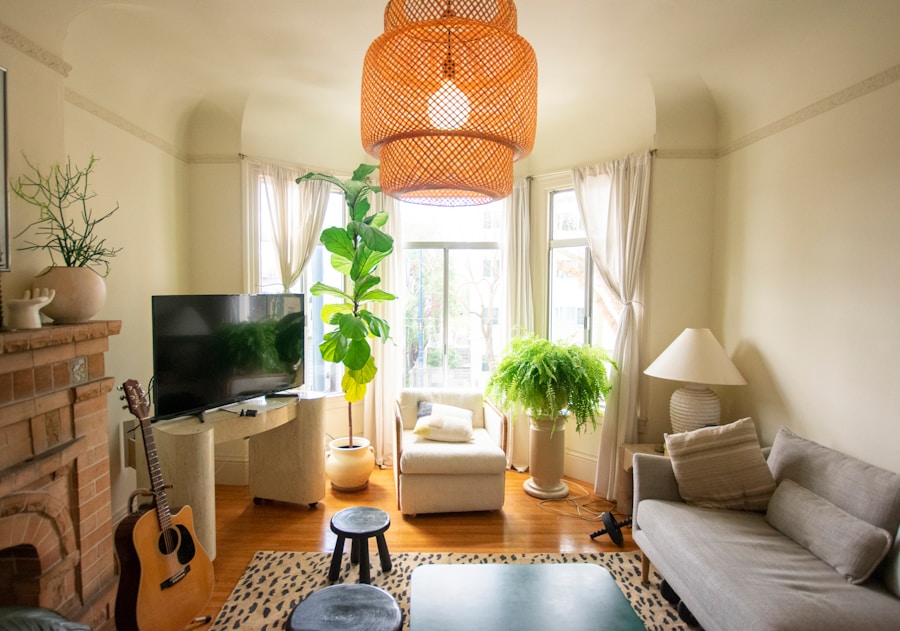
The color palette of walls, floors, and furniture plays a significant role in how light interacts within a space. Lighter colors tend to reflect light better than darker shades, making them ideal for basement apartments where maximizing brightness is essential. Soft whites, pale grays, and light pastels can create an airy feel that enhances the overall luminosity of the space.
When selecting flooring materials, consider options that complement the wall colors while also reflecting light effectively. For instance, light-colored hardwood or laminate flooring can brighten up a basement apartment significantly compared to darker carpets or tiles.
Furniture choices should also align with this strategy; opting for lighter fabrics or finishes can help maintain an open feel throughout the space. By carefully selecting colors for walls, floors, and furniture, residents can create a cohesive design that maximizes natural and artificial lighting.
Strategic Placement of Lights to Highlight Key Areas and Create a Focal Point
The strategic placement of lighting fixtures is crucial for highlighting key areas within a basement apartment and creating focal points that draw attention. For example, if there is an interesting architectural feature such as exposed beams or brick walls, accent lighting can be used to emphasize these elements. Wall sconces or track lighting directed at these features can create visual interest and add character to the space.
In addition to architectural highlights, consider using lighting to define different functional areas within an open floor plan. For instance, pendant lights over a dining table can delineate that space from the living area while providing necessary task lighting for meals and gatherings. Similarly, floor lamps placed next to seating areas can create cozy reading nooks that invite relaxation.
By thoughtfully positioning lights throughout the apartment, residents can enhance functionality while also crafting an inviting atmosphere that encourages social interaction.
Maintaining a Clean and Organized Space to Maximize the Effects of Lighting
Finally, maintaining a clean and organized space is essential for maximizing the effects of lighting in a basement apartment. Cluttered environments not only detract from aesthetic appeal but also absorb light, making spaces feel darker and more confined. Regularly decluttering surfaces and keeping pathways clear allows light to flow freely throughout the apartment.
Incorporating smart storage solutions can help keep belongings organized while minimizing visual clutter. For example, using multi-functional furniture such as ottomans with storage compartments or shelves that double as room dividers can help maintain order without sacrificing style. Additionally, keeping surfaces clean ensures that dust does not accumulate on light fixtures or reflective surfaces like mirrors; this allows them to perform optimally in illuminating the space.
By prioritizing cleanliness and organization, residents can enhance the effectiveness of their lighting choices and create a more enjoyable living environment in their basement apartments.
If you’re considering remodeling your basement to make it feel bigger, you may want to read about the pros and cons of DIY vs professional basement remodeling. This article from basementremodelingesg.com discusses the benefits of hiring experts to help you achieve the desired results.
FAQs
What are some lighting techniques to make a Brooklyn basement apartment feel bigger?
Some lighting techniques to make a Brooklyn basement apartment feel bigger include using recessed lighting to create a sense of depth, incorporating mirrors to reflect light and create the illusion of more space, and utilizing task lighting to highlight specific areas and draw the eye around the room.
How can natural light be maximized in a Brooklyn basement apartment?
To maximize natural light in a Brooklyn basement apartment, consider installing larger windows or adding a light well to bring in more sunlight. Additionally, keeping window treatments minimal and using light-colored, reflective surfaces can help bounce natural light around the space.
What types of light fixtures work best in a Brooklyn basement apartment?
In a Brooklyn basement apartment, it’s best to use a combination of ambient, task, and accent lighting. Consider using track lighting, pendant lights, and floor lamps to provide layered lighting that can help create a sense of spaciousness.
Are there specific color temperatures that work best for lighting in a Brooklyn basement apartment?
In a Brooklyn basement apartment, it’s generally recommended to use cooler color temperatures (around 4000K to 5000K) to mimic natural daylight and create a bright, open feel. However, warmer color temperatures can also be used strategically to create a cozy atmosphere in certain areas of the apartment.
What are some common mistakes to avoid when using lighting to make a Brooklyn basement apartment feel bigger?
Common mistakes to avoid when using lighting in a Brooklyn basement apartment include overloading the space with too many light fixtures, using harsh or overly bright lighting, and neglecting to consider the impact of lighting on the overall design and layout of the apartment.