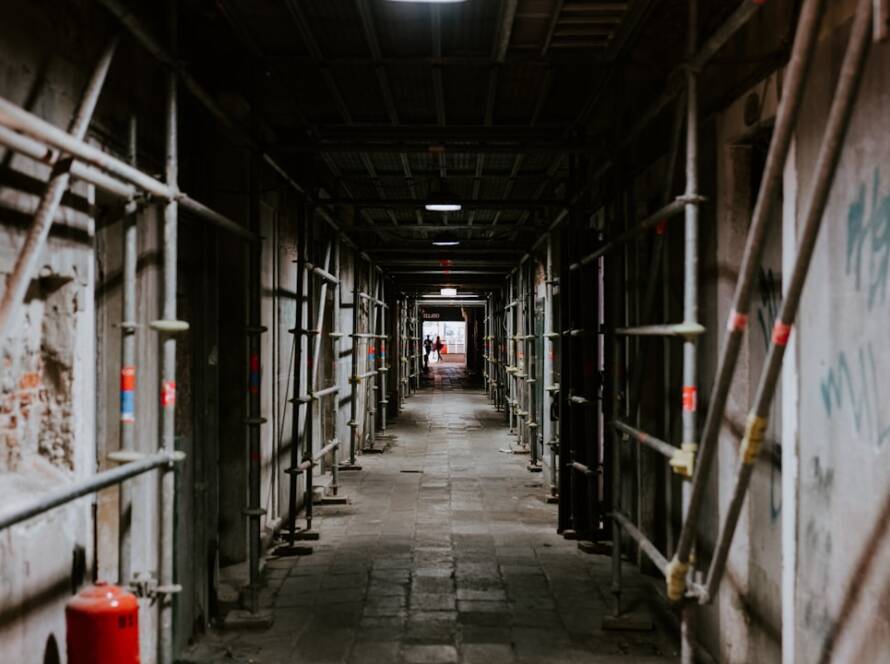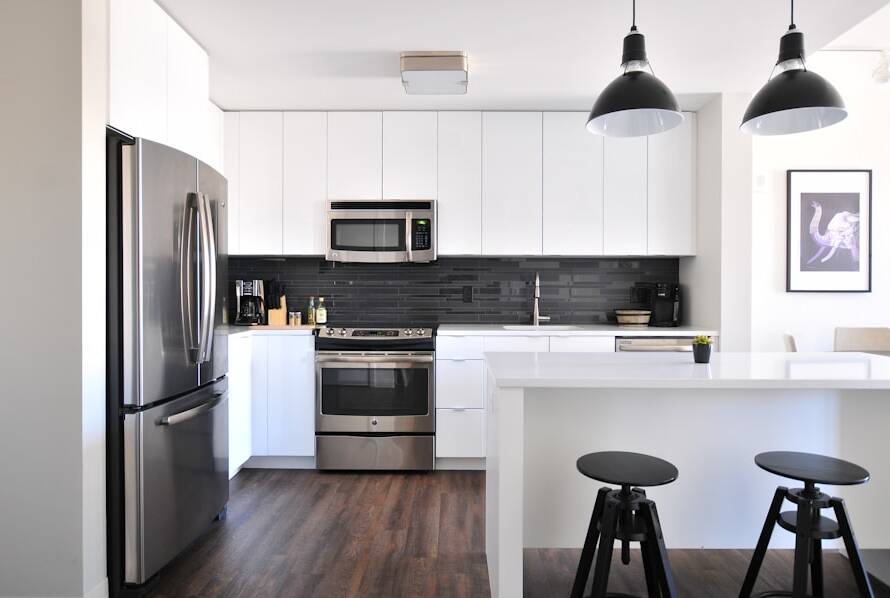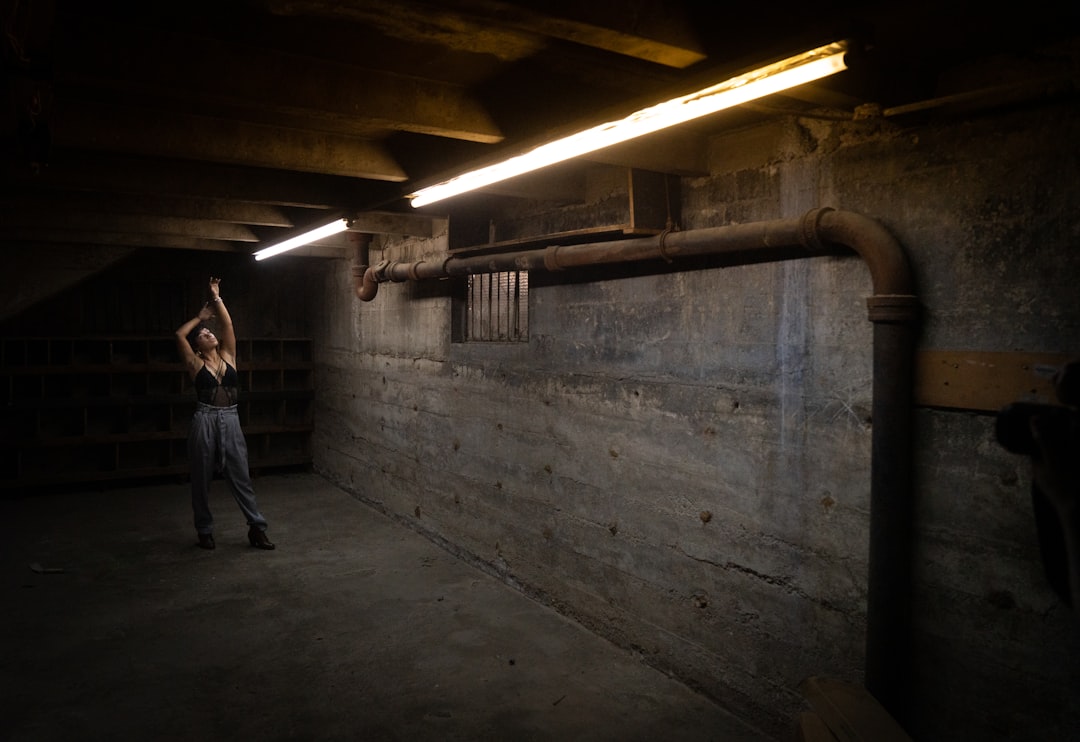
When considering the transformation of a basement into a rental unit, the first step is to thoroughly assess the space. This involves not only evaluating the physical dimensions and layout but also understanding the unique characteristics of the basement that could influence its usability. Factors such as ceiling height, natural light availability, and existing structural elements play a crucial role in determining how the space can be utilized.
For instance, a basement with high ceilings and ample windows may lend itself well to a cozy living area, while a lower-ceilinged space with minimal light might be better suited for a bedroom or storage area. Additionally, it is essential to consider the overall condition of the basement. This includes checking for signs of moisture, mold, or structural damage, which could pose significant challenges during renovation.
A thorough inspection can reveal whether the space requires waterproofing or other foundational repairs before it can be converted into a livable area. Understanding these aspects not only helps in envisioning the potential of the basement but also aids in making informed decisions about the scope of renovations needed to create a comfortable and appealing rental unit.
Key Takeaways
- Assess the potential of your basement for rental space by considering its size, layout, and natural light.
- Understand the rental laws in Brooklyn to ensure compliance with regulations and avoid legal issues.
- Set a realistic budget for renovations by considering the cost of materials, labor, and unexpected expenses.
- Prioritize safety by ensuring compliance with building codes and obtaining necessary permits for renovations.
- Maximize space for a tenant by creating a functional layout that includes a separate entrance, kitchen, and bathroom.
- Choose durable materials for finishes to ensure longevity and minimize maintenance costs.
- Minimize noise transfer by implementing soundproofing solutions such as insulation, acoustic panels, and double-pane windows.
- Enhance comfort and efficiency by upgrading utilities such as heating, cooling, and water systems.
- Increase tenant appeal and property value by adding amenities such as laundry facilities, storage space, and outdoor access.
- Design for longevity by selecting timeless aesthetics and practical features that will stand the test of time.
- Find reliable contractors and tradespeople for renovations by conducting thorough research, checking references, and obtaining multiple quotes.
Legal Considerations: Navigating Rental Laws in Brooklyn
Navigating the legal landscape of rental laws in Brooklyn is a critical step for any homeowner looking to convert their basement into a rental unit. New York City has specific regulations governing basement apartments, particularly concerning safety and habitability standards. For instance, the New York City Department of Buildings mandates that all residential units must have adequate egress, meaning there must be a safe exit route in case of emergencies.
This often requires installing proper windows or doors that meet specific size and accessibility requirements. Moreover, landlords must be aware of zoning laws that dictate whether a basement can be legally rented out. In many cases, basements are classified as accessory dwelling units (ADUs), which may have restrictions based on the property’s zoning designation.
Homeowners should consult with local zoning boards or legal experts to ensure compliance with all regulations before proceeding with renovations. Failure to adhere to these laws can result in hefty fines or even legal action, making it imperative to understand the legal framework surrounding basement rentals in Brooklyn.
Budgeting for Renovations: Setting Realistic Expectations

Creating a budget for basement renovations is a fundamental aspect of the planning process. Homeowners must account for various costs, including materials, labor, permits, and unexpected expenses that may arise during construction. A detailed budget should begin with an assessment of the current state of the basement and an estimation of what renovations are necessary to meet legal and safety standards.
For example, if significant water damage is discovered, this could substantially increase costs due to the need for waterproofing and mold remediation. Setting realistic expectations is crucial when budgeting for renovations. Homeowners should research average costs for similar projects in their area and consider obtaining multiple quotes from contractors to ensure they are getting a fair price.
Additionally, it is wise to allocate a contingency fund—typically around 10-20% of the total budget—to cover unforeseen expenses that may arise during the renovation process. By carefully planning and budgeting, homeowners can avoid financial strain and ensure that their basement conversion project remains on track.
Safety First: Ensuring Compliance with Building Codes
Safety should be at the forefront of any renovation project, especially when converting a basement into a rental unit. Compliance with building codes is not only a legal requirement but also essential for ensuring tenant safety and comfort. Building codes dictate various aspects of construction, including electrical wiring, plumbing, ventilation, and fire safety measures.
For instance, proper ventilation is crucial in basements to prevent moisture buildup and ensure air quality; this may involve installing exhaust fans or ensuring adequate airflow through windows. Fire safety is another critical consideration when renovating a basement for rental purposes. Homeowners must install smoke detectors and carbon monoxide detectors in accordance with local regulations.
Additionally, creating clear egress routes is vital; this may involve installing larger windows or emergency exits that allow tenants to escape safely in case of an emergency. By prioritizing safety and adhering to building codes, homeowners can create a secure living environment that meets both legal requirements and tenant expectations.
Creating a Functional Layout: Maximizing Space for a Tenant
Designing a functional layout is essential for maximizing the usability of a basement rental unit. Given that basements often have unique dimensions and constraints, careful planning is required to create an efficient living space. Homeowners should consider how to best utilize available square footage while ensuring that the layout promotes comfort and accessibility.
For example, an open-concept design can make a small basement feel larger by eliminating unnecessary walls and creating a seamless flow between living areas. Incorporating multi-functional furniture can also enhance space efficiency. For instance, using a sofa bed allows for flexible use of space, accommodating both living and sleeping areas without sacrificing comfort.
Additionally, strategic placement of storage solutions—such as built-in shelves or under-bed storage—can help keep the space organized while minimizing clutter. By thoughtfully designing the layout, homeowners can create an inviting atmosphere that appeals to potential tenants while maximizing the functionality of the basement.
Choosing Durable Materials: Selecting Long-lasting Finishes

Water-Resistant Flooring Options
Choosing the right flooring is essential to minimize maintenance costs and ensure longevity. Vinyl plank or tile flooring are excellent options due to their water resistance and ease of cleaning. These materials are more durable than traditional hardwood or carpet, making them ideal for basement rentals.
Durable Wall Finishes
In addition to flooring, it’s important to consider durable wall finishes that can resist moisture and mold growth. Using moisture-resistant drywall or paint specifically designed for high-humidity areas can help protect against damage over time.
High-Quality Fixtures and Finishing Touches
Selecting high-quality fixtures, such as faucets and lighting, can enhance both functionality and aesthetics while ensuring they withstand daily wear and tear. By investing in durable materials and fixtures, homeowners can create a basement rental unit that remains attractive and functional for years to come.
Soundproofing Solutions: Minimizing Noise Transfer
Soundproofing is an often-overlooked aspect of basement renovations that can significantly enhance tenant satisfaction.
Implementing soundproofing solutions can create a more peaceful living environment for tenants while also protecting the homeowner’s privacy.
One effective method for soundproofing is using acoustic insulation within walls and ceilings. This type of insulation is designed to absorb sound waves, reducing noise transmission between spaces. Additionally, homeowners can consider installing soundproof doors and windows that feature thicker glass or specialized seals to minimize outside noise intrusion.
Carpeting or area rugs can also help dampen sound within the unit itself by absorbing foot traffic noise. By prioritizing soundproofing measures during renovations, homeowners can significantly enhance the comfort level of their basement rental unit.
Upgrading Utilities: Enhancing Comfort and Efficiency
Upgrading utilities is another critical component of converting a basement into a rental unit. Ensuring that heating, cooling, plumbing, and electrical systems are efficient and up-to-date not only enhances tenant comfort but also reduces long-term operational costs for homeowners. For instance, installing energy-efficient heating systems or smart thermostats can help regulate temperature effectively while minimizing energy consumption.
In terms of plumbing, it’s essential to ensure that all fixtures are functioning properly and meet current codes. This may involve upgrading old pipes or installing new fixtures that conserve water without sacrificing performance. Electrical systems should also be evaluated; outdated wiring may need replacement to accommodate modern appliances and ensure safety compliance.
By investing in utility upgrades during renovations, homeowners can create a comfortable living environment while also increasing the overall value of their property.
Adding Amenities: Increasing Tenant Appeal and Value
In today’s competitive rental market, adding amenities can significantly increase tenant appeal and overall property value. Homeowners should consider incorporating features that enhance convenience and comfort for potential renters. For example, adding in-unit laundry facilities can be a major selling point; tenants often prefer the convenience of having laundry access within their living space rather than relying on shared facilities.
Other desirable amenities might include modern kitchen appliances, ample storage solutions, or even outdoor access if possible. Creating an outdoor space—such as a small patio or garden area—can provide tenants with additional recreational options while enhancing their overall living experience. Additionally, offering high-speed internet access or smart home features can attract tech-savvy renters looking for modern conveniences.
By thoughtfully integrating amenities into the design of the basement rental unit, homeowners can create an attractive living space that stands out in the market.
Designing for Longevity: Timeless Aesthetics and Practicality
When renovating a basement for rental purposes, it’s important to strike a balance between aesthetics and practicality to ensure longevity in design choices. Opting for timeless design elements can help maintain appeal over time while minimizing the need for frequent updates or renovations. Neutral color palettes tend to have broad appeal; shades like soft grays or warm beiges create an inviting atmosphere while allowing tenants to personalize their space with decor.
In addition to color choices, selecting classic materials—such as natural stone countertops or hardwood accents—can contribute to a sophisticated look that endures trends over time. Practicality should also guide design decisions; choosing finishes that are easy to clean and maintain will help preserve the unit’s appearance despite regular use by tenants.
Hiring Professionals: Finding Reliable Contractors and Tradespeople
The success of any renovation project often hinges on hiring reliable professionals who possess the necessary skills and experience to execute the vision effectively. Homeowners should take time to research potential contractors and tradespeople thoroughly before making hiring decisions. This includes checking references, reading online reviews, and verifying licenses and insurance coverage to ensure they are working with qualified individuals.
It’s also beneficial to seek recommendations from friends or family who have undergone similar renovation projects; personal referrals can lead to trustworthy professionals who have proven their capabilities in real-world scenarios. Once potential candidates are identified, homeowners should conduct interviews to discuss project specifics and gauge compatibility regarding communication styles and work ethics. By investing time in finding reliable contractors and tradespeople, homeowners can set their renovation project up for success while ensuring quality workmanship throughout the process.
If you are considering renovating your basement for a long-term tenant in Brooklyn, you may want to check out this article on basement waterproofing services. Ensuring that your basement is properly waterproofed is essential for creating a comfortable and safe living space for your tenant. This article provides valuable information on the importance of waterproofing and the different services available to help you achieve this.
FAQs
What are the benefits of renovating a basement for a long-term tenant in Brooklyn?
Renovating a basement for a long-term tenant in Brooklyn can provide a steady source of rental income, increase the value of the property, and make use of underutilized space.
What are some important considerations when renovating a basement for a long-term tenant in Brooklyn?
Important considerations when renovating a basement for a long-term tenant in Brooklyn include obtaining the necessary permits, ensuring compliance with building codes, addressing potential moisture and ventilation issues, and creating a separate entrance for the tenant.
What are some common renovation projects for basements in Brooklyn?
Common renovation projects for basements in Brooklyn include adding insulation, installing proper lighting and ventilation, creating a separate living space with a kitchen and bathroom, and addressing any structural issues.
How can I ensure the safety and comfort of a long-term tenant in a renovated basement in Brooklyn?
To ensure the safety and comfort of a long-term tenant in a renovated basement in Brooklyn, it is important to address any potential hazards such as mold, radon, or lead paint, install proper egress windows for emergency exits, and provide adequate heating and cooling.
What are some tips for finding a reliable contractor for renovating a basement in Brooklyn?
Tips for finding a reliable contractor for renovating a basement in Brooklyn include asking for recommendations from friends or family, checking online reviews and ratings, verifying the contractor’s license and insurance, and obtaining multiple quotes before making a decision.