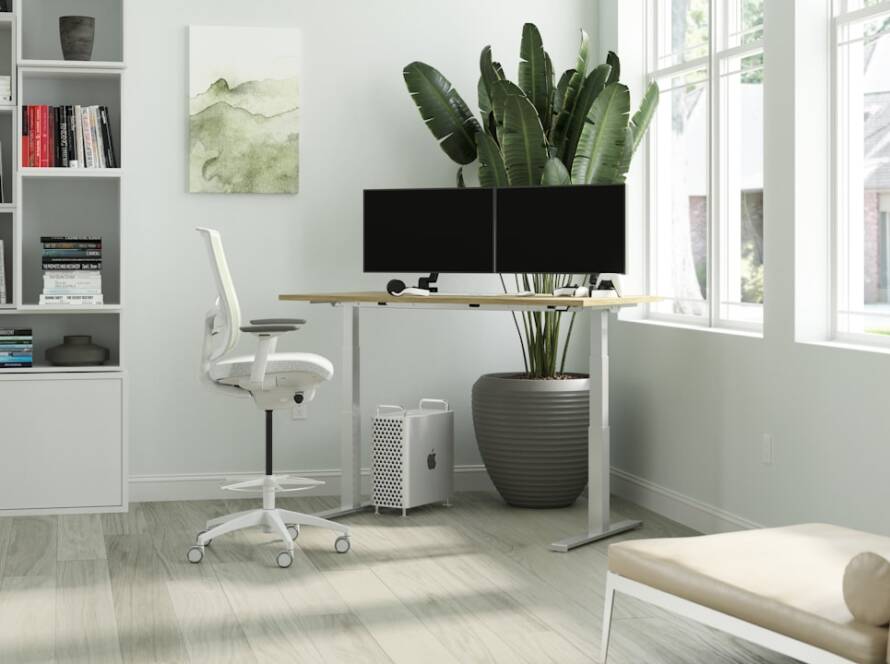
The foundation of any effective home office lies in its layout. A well-thought-out arrangement not only enhances productivity but also fosters a sense of comfort and organization. When designing a functional layout, it is essential to consider the flow of movement within the space.
For instance, placing the desk near a window can provide both natural light and a pleasant view, which can be invigorating during long work hours. However, it is equally important to ensure that the desk is positioned away from distractions, such as high-traffic areas or noisy appliances. This balance between accessibility and seclusion is crucial for maintaining focus.
Moreover, the choice of furniture plays a significant role in creating a functional workspace. Ergonomic chairs and desks that can be adjusted for height can help prevent discomfort during extended periods of sitting. Additionally, incorporating multi-functional furniture, such as a desk with built-in storage or a foldable table, can maximize the use of space, especially in smaller rooms.
By strategically placing shelves and filing cabinets within arm’s reach, one can maintain an organized environment that minimizes clutter and enhances efficiency. The goal is to create a layout that not only meets practical needs but also inspires creativity and productivity.
Key Takeaways
- A functional layout is essential for a tech-savvy home, ensuring that all devices and furniture are strategically placed for convenience and efficiency.
- Maximizing natural light not only reduces the need for artificial lighting but also creates a more inviting and energizing atmosphere in the home.
- Smart lighting and climate control systems can enhance the overall tech-savvy experience, allowing for easy customization and energy efficiency.
- Tech-savvy furniture and storage solutions help to keep the home organized and clutter-free, while also integrating technology seamlessly into the design.
- A high-speed internet connection is crucial for a tech-savvy home, enabling seamless connectivity and access to online resources.
Maximizing Natural Light
Assessing the Room’s Layout
To maximize natural light, one should first assess the orientation of windows and the overall layout of the room. For example, if the office faces south or west, it will receive ample sunlight throughout the day, making it an ideal location for a workspace.
Amplifying Natural Light
In addition to positioning the desk near windows, using reflective surfaces can amplify the effects of natural light. Light-colored walls and furniture can help bounce sunlight around the room, creating a brighter atmosphere. Incorporating mirrors strategically can also enhance the perception of space and light.
Optimizing Window Treatments
Furthermore, opting for sheer window treatments instead of heavy drapes allows for an unobstructed flow of light while still providing some privacy. By thoughtfully considering these elements, one can create an inviting workspace that harnesses the benefits of natural illumination.
Installing Smart Lighting and Climate Control

While natural light is invaluable, it is not always available, especially during early mornings or late evenings. Therefore, integrating smart lighting solutions into a home office is essential for maintaining an optimal working environment at all times. Smart lighting systems allow users to adjust brightness levels and color temperatures according to their preferences or tasks at hand.
For instance, cooler white light can enhance alertness during focused work sessions, while warmer tones may be more suitable for creative tasks or relaxation. In conjunction with smart lighting, climate control systems play a pivotal role in ensuring comfort throughout the workday. Smart thermostats can be programmed to maintain an ideal temperature based on personal preferences or time of day.
This technology not only enhances comfort but also contributes to energy efficiency by adjusting heating and cooling based on occupancy patterns. By combining smart lighting with effective climate control, one can create a dynamic workspace that adapts to individual needs and promotes sustained productivity.
Incorporating Tech-Savvy Furniture and Storage Solutions
As technology continues to evolve, so too does the furniture designed to accommodate it. Tech-savvy furniture options are now available that seamlessly integrate charging stations, cable management systems, and even built-in speakers into their designs.
This thoughtful integration not only enhances functionality but also contributes to a cleaner aesthetic in the workspace. Storage solutions have also advanced to meet the demands of modern technology. Modular shelving units that can be customized to fit specific needs provide flexibility in organizing books, files, and tech gadgets.
Additionally, mobile storage carts can be easily moved around the office as needed, allowing for adaptability in layout and function. By selecting furniture that prioritizes both technology integration and efficient storage, one can create a workspace that is not only stylish but also highly functional.
Setting Up a High-Speed Internet Connection
In today’s digital age, a reliable high-speed internet connection is non-negotiable for any home office setup. The efficiency of remote work heavily relies on seamless connectivity for video conferencing, file sharing, and cloud-based applications. To ensure optimal performance, it is advisable to invest in a robust router that supports the latest Wi-Fi standards, such as Wi-Fi 6.
This technology offers improved speed and capacity, allowing multiple devices to connect without compromising performance. Additionally, considering the layout of the home office is crucial for maximizing internet connectivity. Placing the router in a central location can help eliminate dead zones where signal strength may falter.
For those who require even more stability, using Ethernet cables for direct connections can provide faster speeds and lower latency compared to wireless connections. By prioritizing internet connectivity in the home office design, one can facilitate smooth operations and enhance overall productivity.
Creating a Dedicated Tech Corner
A dedicated tech corner within a home office can serve as a hub for all technological activities while keeping devices organized and accessible. This area should be equipped with all necessary tools such as printers, scanners, and charging stations for devices like laptops and tablets. By designating a specific space for technology-related tasks, one can minimize distractions and streamline workflow.
In addition to organization, this tech corner should also consider ergonomics and accessibility. Adjustable shelving can accommodate various devices while ensuring they are within easy reach. Cable management solutions such as cord organizers or cable trays can help keep wires tidy and prevent tangling.
By creating a well-organized tech corner that prioritizes both functionality and aesthetics, one can enhance efficiency while maintaining a visually appealing workspace.
Utilizing Soundproofing Techniques
Noise can be one of the most significant distractions in a home office environment, particularly if it is located near busy areas of the house or outside traffic. Implementing soundproofing techniques can greatly enhance focus and productivity by minimizing external disturbances. One effective method is to use acoustic panels on walls or ceilings to absorb sound waves and reduce echo within the room.
These panels come in various designs and colors, allowing for customization that complements the overall decor. Additionally, investing in soundproof doors or windows can further mitigate noise intrusion from outside sources. Weather stripping around doors and windows can also help seal gaps that allow sound to enter the workspace.
For those who prefer a more immediate solution, noise-canceling headphones can provide an effective barrier against distractions during work hours.
Adding Personalized Touches and Decor
While functionality is paramount in a home office, personal touches and decor are equally important in creating an inspiring workspace. Incorporating elements that reflect individual style can foster creativity and make the environment more enjoyable to work in. This could include artwork that resonates personally or motivational quotes displayed prominently on walls or desks.
Plants are another excellent way to add life to an office space while improving air quality. Studies have shown that greenery can reduce stress levels and increase overall well-being, making them ideal companions for long work hours. Additionally, personal mementos or photographs can create a sense of comfort and familiarity within the workspace.
By thoughtfully curating decor that resonates with personal values and aesthetics, one can transform a functional office into a vibrant sanctuary that inspires productivity and creativity.
If you’re looking to design, renovate, and revitalize your home, you may want to check out this article on basementremodelingesg.com. This article offers tips and ideas on how to enhance your living space, including your basement office in Brooklyn. From functional enhancements to smart renovations, this website also provides a portfolio slider grid showcasing their previous projects, which can serve as inspiration for incorporating tech-friendly features into your workspace.
FAQs
What are some tech-friendly features to incorporate in a basement office?
Some tech-friendly features to incorporate in a basement office include high-speed internet connection, ample electrical outlets, integrated smart lighting, soundproofing, and proper ventilation for cooling electronic equipment.
How can I ensure a strong internet connection in my basement office?
To ensure a strong internet connection in your basement office, consider using a mesh Wi-Fi system to extend coverage, installing a wired Ethernet connection, or using a Wi-Fi range extender to boost signal strength.
What are some smart lighting options for a basement office?
Smart lighting options for a basement office include programmable LED light strips, smart light bulbs that can be controlled via a smartphone app, and motion-activated lighting to save energy.
How can I soundproof my basement office for a quieter work environment?
To soundproof your basement office, consider adding acoustic panels to the walls, installing soundproofing insulation, using heavy curtains or drapes, and placing rugs or carpeting on the floor to absorb sound.
What are some ventilation options for cooling electronic equipment in a basement office?
Ventilation options for cooling electronic equipment in a basement office include installing a ceiling fan, using a portable air conditioner, or adding vents or exhaust fans to improve air circulation.