The concept of eco-friendly basement in-law suites has gained significant traction in recent years, driven by a growing awareness of environmental sustainability and the need for multi-generational living solutions. These suites not only provide a comfortable living space for family members but also embody principles of energy efficiency, resource conservation, and sustainable design. As urban areas become increasingly congested, homeowners are looking for innovative ways to maximize their property while minimizing their ecological footprint.
An eco-friendly basement suite can serve as a perfect solution, offering both functionality and environmental responsibility. Incorporating eco-friendly practices into the design and construction of basement in-law suites involves a holistic approach that considers energy consumption, material selection, and overall environmental impact. From the initial planning stages to the final touches, every aspect of the suite can be tailored to promote sustainability.
This article will explore various elements that contribute to creating an eco-friendly basement in-law suite, highlighting energy-efficient technologies, sustainable materials, and design strategies that enhance both comfort and environmental stewardship.
Key Takeaways
- Eco-friendly basement in-law suites provide a sustainable and cost-effective housing solution for extended family members or rental income.
- Energy-efficient lighting and appliances help reduce electricity consumption and lower utility bills in basement in-law suites.
- Sustainable flooring and insulation options such as bamboo, cork, and recycled materials improve energy efficiency and indoor air quality.
- Water-saving fixtures and plumbing, including low-flow toilets and faucets, conserve water and reduce utility costs in basement in-law suites.
- Natural ventilation and air quality can be improved through proper insulation, air sealing, and the use of non-toxic building materials in basement in-law suites.
Energy-Efficient Lighting and Appliances
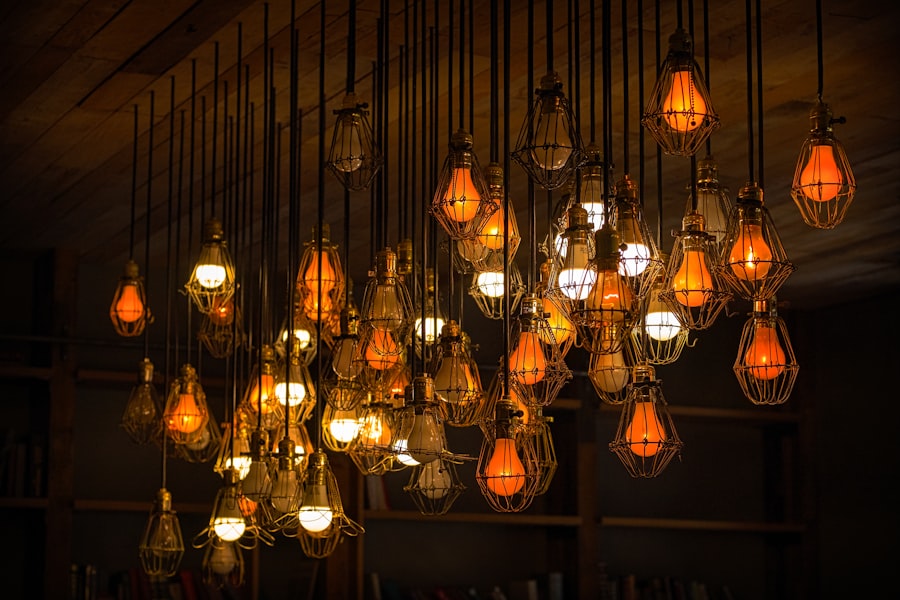
One of the most impactful ways to enhance the sustainability of a basement in-law suite is through the use of energy-efficient lighting and appliances. Traditional incandescent bulbs consume a significant amount of electricity and have a shorter lifespan compared to modern alternatives. By opting for LED lighting, homeowners can reduce energy consumption by up to 80% while enjoying longer-lasting illumination.
LEDs also produce less heat, which can contribute to lower cooling costs during warmer months. Strategically placing dimmer switches and motion sensors can further optimize energy use, ensuring that lights are only on when needed. In addition to lighting, the selection of energy-efficient appliances plays a crucial role in reducing the overall energy footprint of the suite.
Energy Star-rated appliances are designed to consume less electricity and water without sacrificing performance. For instance, an Energy Star refrigerator uses about 15% less energy than standard models, translating into significant savings over time. Similarly, energy-efficient washing machines and dishwashers can drastically reduce water usage while maintaining high cleaning standards.
By investing in these appliances, homeowners not only lower their utility bills but also contribute to a more sustainable future.
Sustainable Flooring and Insulation

The choice of flooring and insulation materials is another critical aspect of creating an eco-friendly basement in-law suite. Sustainable flooring options include bamboo, cork, and reclaimed wood, all of which offer durability and aesthetic appeal while minimizing environmental impact. Bamboo, for example, is a rapidly renewable resource that grows much faster than traditional hardwoods, making it an excellent choice for eco-conscious homeowners.
Cork flooring is harvested from the bark of cork oak trees without harming the tree itself, providing a unique texture and natural insulation properties. Insulation is equally important in maintaining energy efficiency within the suite. Traditional fiberglass insulation can be effective but may contain harmful chemicals that can affect indoor air quality.
Instead, homeowners can consider using cellulose insulation made from recycled paper products or spray foam insulation that is free from harmful blowing agents. These materials not only provide superior thermal performance but also contribute to a healthier living environment by reducing the risk of mold and allergens.
Water-Saving Fixtures and Plumbing
Water conservation is a vital component of any eco-friendly home design, and basement in-law suites are no exception. Installing water-saving fixtures such as low-flow faucets, showerheads, and toilets can significantly reduce water consumption without compromising comfort or functionality. For instance, low-flow showerheads can reduce water usage by up to 50%, while dual-flush toilets allow users to choose between a full or partial flush based on their needs.
In addition to fixtures, the plumbing system itself can be designed with sustainability in mind. Utilizing greywater systems that recycle water from sinks and showers for irrigation purposes can further enhance water efficiency. Rainwater harvesting systems can also be integrated into the design, allowing homeowners to collect and store rainwater for non-potable uses such as watering gardens or flushing toilets.
By implementing these water-saving strategies, homeowners can create a more sustainable living space while reducing their overall water bills.
Natural Ventilation and Air Quality
Maintaining good indoor air quality is essential for the health and well-being of occupants in any living space. In an eco-friendly basement in-law suite, natural ventilation plays a crucial role in achieving this goal. Designing windows that open to allow fresh air circulation can help reduce reliance on mechanical ventilation systems, which often consume significant amounts of energy.
Cross-ventilation strategies can be employed by positioning windows on opposite walls to create airflow that cools the space naturally. In addition to ventilation, incorporating air-purifying plants into the design can enhance indoor air quality further. Plants such as spider plants, peace lilies, and snake plants are known for their ability to filter toxins from the air while adding aesthetic value to the space.
Utilizing non-toxic paints and finishes during construction can also minimize harmful emissions that contribute to poor indoor air quality. By prioritizing natural ventilation and air quality, homeowners can create a healthier living environment for their family members.
Eco-Friendly Furnishings and Decor
The selection of furnishings and decor is another opportunity to enhance the sustainability of a basement in-law suite. Choosing furniture made from reclaimed or sustainably sourced materials not only reduces environmental impact but also adds character to the space. For example, reclaimed wood furniture pieces can provide a rustic charm while promoting responsible sourcing practices.
Additionally, opting for furniture with low-VOC (volatile organic compounds) finishes ensures that harmful chemicals are not released into the indoor environment.
Organic cotton or linen curtains and upholstery made from recycled materials can contribute to a more sustainable aesthetic while providing comfort and style.
Homeowners may also explore second-hand or vintage furnishings as a way to reduce waste and promote circular economy principles. By thoughtfully selecting furnishings and decor, homeowners can create a cohesive design that reflects their commitment to sustainability.
Green Building Materials and Construction Techniques
The construction phase of an eco-friendly basement in-law suite presents numerous opportunities to incorporate green building materials and techniques. Utilizing sustainable materials such as bamboo plywood for cabinetry or recycled steel for structural elements can significantly reduce the environmental impact of the build. Additionally, choosing locally sourced materials minimizes transportation emissions while supporting local economies.
Construction techniques also play a vital role in promoting sustainability. Implementing passive solar design principles can maximize natural light and heat gain during winter months while minimizing heat loss in summer. This approach not only enhances comfort but also reduces reliance on artificial heating and cooling systems.
Furthermore, employing advanced framing techniques can optimize material usage by reducing waste during construction. By integrating these green building practices, homeowners can ensure that their basement in-law suite is not only functional but also environmentally responsible.
Outdoor Green Spaces and Garden Integration
Finally, integrating outdoor green spaces into the design of an eco-friendly basement in-law suite enhances both aesthetics and sustainability.
Native plants require less water and maintenance compared to non-native species, making them an ideal choice for sustainable landscaping.
Incorporating features such as rain gardens or permeable paving can help manage stormwater runoff effectively while enhancing the overall ecological footprint of the property. These features not only contribute to environmental health but also provide opportunities for relaxation and recreation for family members living in the suite. By thoughtfully designing outdoor spaces that complement the eco-friendly principles of the basement suite, homeowners can create a harmonious living environment that fosters both well-being and sustainability.
If you are looking to incorporate eco-friendly features in your Brooklyn basement in-law suite, you may want to consider checking out the services offered by Basement Remodeling ESG. They specialize in basement remodeling and offer a variety of services to help you create a sustainable living space. You can learn more about their portfolio of projects and flooring services by visiting their website here and here.
FAQs
What are some eco-friendly features to incorporate in a Brooklyn basement in-law suite?
Some eco-friendly features to incorporate in a Brooklyn basement in-law suite include energy-efficient lighting, low-flow plumbing fixtures, sustainable flooring materials, and proper insulation to reduce energy consumption.
How can I make the heating and cooling system in my basement in-law suite more eco-friendly?
You can make the heating and cooling system in your basement in-law suite more eco-friendly by installing a programmable thermostat, sealing any air leaks, and considering the use of a ductless mini-split system for efficient temperature control.
What are some sustainable flooring options for a basement in-law suite?
Sustainable flooring options for a basement in-law suite include bamboo, cork, reclaimed wood, and recycled rubber. These materials are eco-friendly and durable, making them suitable for basement spaces.
How can I incorporate natural light into my basement in-law suite?
You can incorporate natural light into your basement in-law suite by adding egress windows or window wells to allow for natural light and ventilation. Additionally, using light-colored paint and strategically placing mirrors can help reflect and amplify natural light.
What are some water-saving features to consider for a basement in-law suite?
Some water-saving features to consider for a basement in-law suite include low-flow showerheads, dual-flush toilets, and aerators for faucets. These features can help reduce water consumption and promote eco-friendly living.