


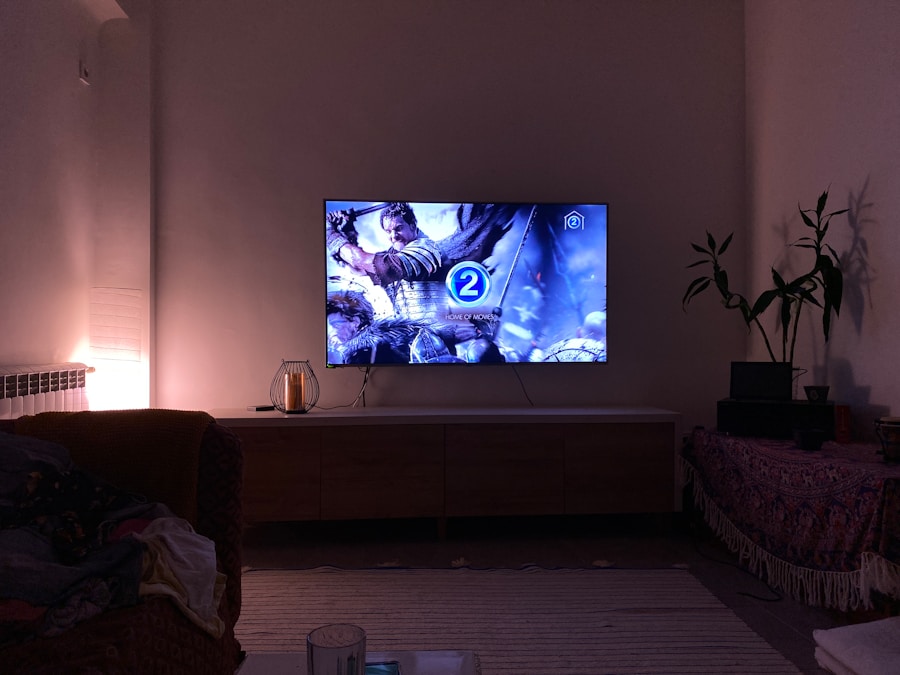
The initial phase of creating a home theater is arguably the most critical, as it lays the groundwork for the entire project. Effective planning begins with a clear understanding of the space available and the intended use of the theater. Homeowners must consider factors such as room dimensions, ceiling height, and existing architectural features.
For instance, a basement may offer a naturally dark environment ideal for movie viewing, while a living room might require more extensive modifications to achieve the desired ambiance. It is essential to sketch out a floor plan that accommodates seating arrangements, screen placement, and pathways for easy movement. In addition to spatial considerations, the design aesthetic plays a significant role in creating an immersive experience.
Homeowners should think about the overall theme of the theater, whether it be a classic cinema vibe with plush red velvet curtains and ornate detailing or a sleek, modern look with minimalist furnishings and high-tech features. Color schemes can also enhance the viewing experience; darker shades tend to absorb light and reduce distractions, while lighter colors can make a space feel more open. Incorporating elements such as acoustic panels or decorative wall treatments can further enhance both the visual appeal and sound quality of the room.
Key Takeaways
- Proper planning and design are essential for creating a functional and aesthetically pleasing space.
- Waterproofing and insulation are crucial for maintaining the integrity of the space and ensuring comfort.
- Careful consideration of electrical and lighting needs can enhance the functionality and ambiance of the space.
- Soundproofing is important for creating a quiet and comfortable environment, especially in shared spaces.
- The choice of flooring and wall coverings can greatly impact the overall look and feel of the space.
- Seating and furnishings should be chosen for comfort, durability, and style to enhance the space.
- Audio/visual equipment should be carefully selected to meet the needs of the space and enhance the user experience.
- The final touches and decor can tie the entire space together and create a cohesive and inviting atmosphere.
Waterproofing and Insulation
Once the planning and design phase is complete, attention must turn to waterproofing and insulation, particularly if the home theater is located in a basement or any area prone to moisture. Proper waterproofing is essential to prevent water damage that could compromise both the structure and the equipment within the theater. This may involve applying sealants to walls and floors, installing drainage systems, or using moisture-resistant materials in construction.
For example, using cement board instead of drywall in areas susceptible to dampness can significantly reduce the risk of mold growth and deterioration. Insulation is equally important, as it not only helps regulate temperature but also contributes to soundproofing. A well-insulated room will maintain a comfortable environment for viewers while minimizing noise transfer between the theater and other areas of the home.
Fiberglass batts or spray foam insulation can be installed in walls and ceilings to create an effective barrier against sound leakage. Additionally, insulating doors and windows with weather stripping or acoustic seals can further enhance sound isolation, ensuring that the cinematic experience remains undisturbed by external noises.
Electrical and Lighting
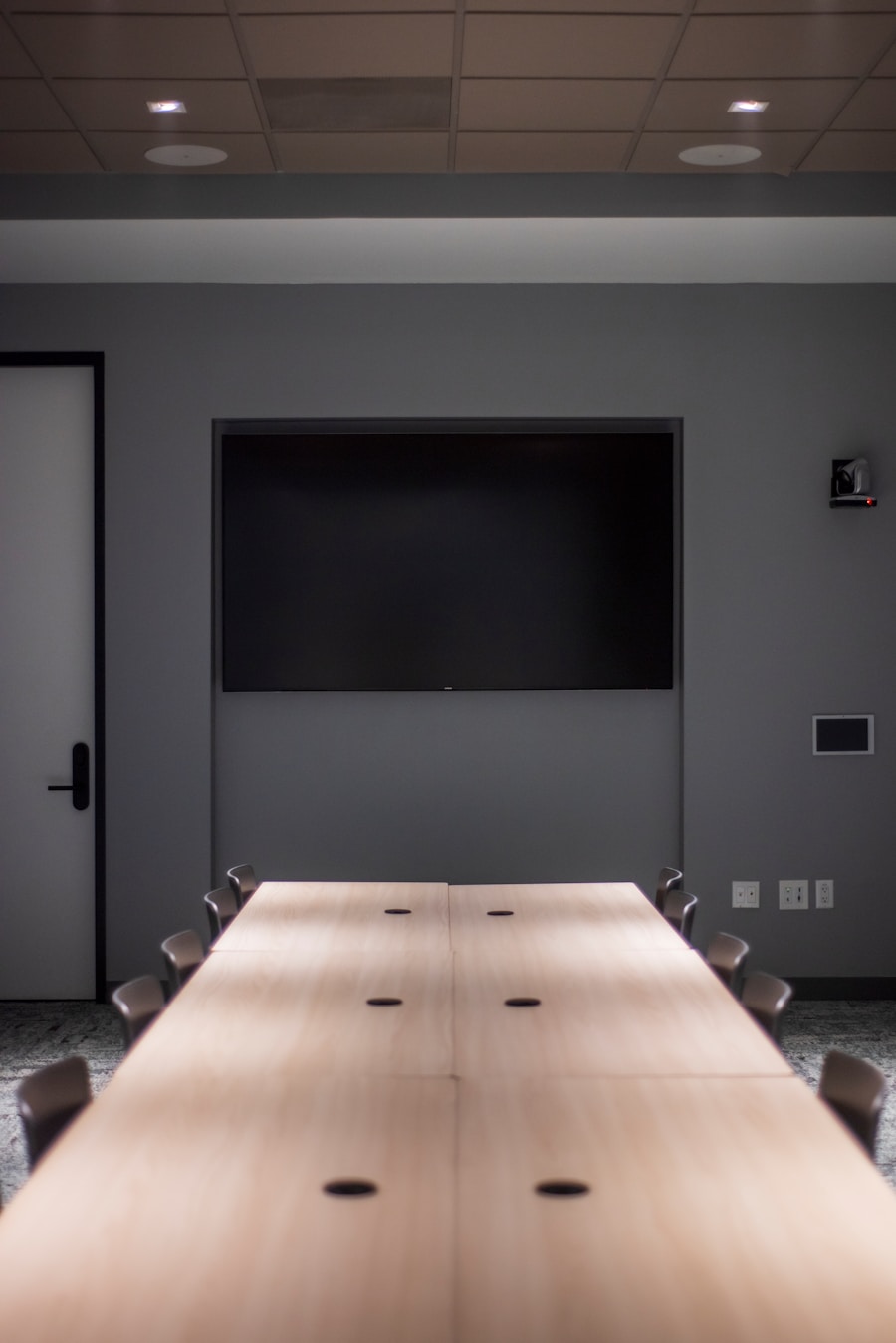
The electrical setup in a home theater is crucial for both functionality and safety. Homeowners should work with licensed electricians to ensure that all wiring meets local codes and can handle the power demands of high-end audio-visual equipment.
It’s also wise to incorporate surge protectors to safeguard expensive electronics from power spikes. Lighting design is another vital aspect that can dramatically influence the viewing experience. A combination of ambient, task, and accent lighting can create a versatile environment suitable for various activities, from watching movies to hosting game nights.
Dimmable LED lights are popular choices for home theaters, allowing users to adjust brightness levels according to their preferences. Additionally, installing sconces or recessed lighting can provide subtle illumination without detracting from the screen’s brightness. Smart lighting systems can also be integrated, enabling users to control lighting through mobile devices or voice commands for added convenience.
Soundproofing
Soundproofing is an essential consideration in home theater design, as it ensures an immersive audio experience while preventing sound from disturbing other areas of the home. Various techniques can be employed to achieve effective sound isolation. One common method is to use double-layered drywall with sound-dampening glue between layers, which significantly reduces sound transmission through walls.
Additionally, decoupling techniques, such as using resilient channels or sound isolation clips, can further minimize vibrations that travel through structural elements. Flooring choices also play a role in soundproofing; carpets or thick rugs can absorb sound and reduce echo within the room. Acoustic panels strategically placed on walls can enhance sound quality by controlling reflections and reverberations.
For instance, placing panels at first reflection points—where sound waves bounce off walls before reaching the listener—can improve clarity and overall audio fidelity. Furthermore, sealing gaps around doors and windows with acoustic caulk helps prevent sound leakage, ensuring that both the audio experience within the theater is pristine and external noise remains at bay.
Flooring and Wall Coverings
Selecting appropriate flooring and wall coverings is crucial for both aesthetics and functionality in a home theater. The flooring should not only complement the overall design but also contribute to sound absorption and comfort during extended viewing sessions. Carpeting is often favored for its ability to dampen sound and provide a cozy atmosphere; however, luxury vinyl tiles or hardwood floors with area rugs can also create an elegant look while offering durability.
Wall coverings present another opportunity to enhance both style and acoustics. Paint colors should be chosen carefully; darker hues can help minimize light reflection, while textured wall coverings can add depth and interest to the space. Acoustic wall panels are an excellent choice for improving sound quality while also serving as decorative elements.
These panels come in various designs and colors, allowing homeowners to customize their theater’s appearance while ensuring optimal audio performance.
Seating and Furnishings
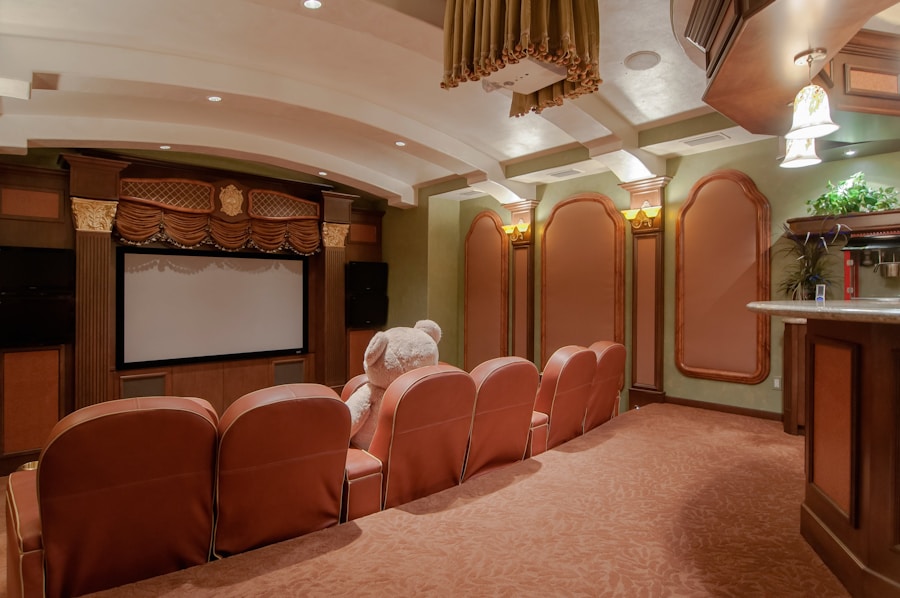
The selection of seating and furnishings is pivotal in creating a comfortable and inviting home theater environment. Reclining chairs or sofas designed specifically for theaters provide not only comfort but also support during long viewing sessions. Many modern options come equipped with features such as built-in cup holders, USB charging ports, and even massage functions, enhancing the overall experience for viewers.
In addition to seating, other furnishings such as side tables or snack stations can add convenience without cluttering the space. The arrangement of seating should facilitate optimal viewing angles for all guests; tiered seating can be an effective solution in larger rooms to ensure everyone has an unobstructed view of the screen. Furthermore, incorporating decorative elements like throw pillows or blankets can add a personal touch while enhancing comfort.
Audio/Visual Equipment
The heart of any home theater lies in its audio/visual equipment, which must be carefully selected based on individual preferences and budget constraints. A high-quality projector or large-screen television is essential for delivering an immersive visual experience; 4K resolution options are increasingly popular due to their superior clarity and detail. When choosing a projector, factors such as brightness (measured in lumens), contrast ratio, and throw distance should be considered to ensure compatibility with the room’s dimensions.
Audio equipment is equally important; a surround sound system with multiple speakers strategically placed around the room can create an enveloping audio experience that enhances movie-watching significantly.
Additionally, integrating streaming devices or media servers can provide access to a vast library of content while simplifying playback options.
Final Touches and Decor
The final touches in a home theater project are what truly bring the space to life and reflect personal style. Decor elements such as movie posters framed in stylish frames or custom artwork can add character while celebrating cinematic passions. Themed decor—such as vintage film reels or popcorn machines—can evoke nostalgia and enhance the overall atmosphere.
Lighting fixtures also play a significant role in setting the mood; decorative sconces or LED strip lights along shelves can create an inviting ambiance when dimmed during movie nights. Additionally, incorporating smart home technology allows homeowners to control various aspects of their theater—from lighting to audio settings—through mobile apps or voice commands, adding convenience to the overall experience. By carefully curating these final details, homeowners can transform their home theaters into personalized sanctuaries that offer both comfort and entertainment for years to come.
If you’re looking for more inspiration on transforming your basement into a dream space, check out the article Crafting Dream Homes: Step-by-Step Transformations. This article provides detailed steps and tips on how to create the perfect home theater or any other desired space in your basement. It’s a great resource to help you plan and execute your basement renovation project effectively.
FAQs
What are the benefits of finishing a basement for a home theater?
Finishing a basement for a home theater provides additional living space, increases the value of the home, and creates a dedicated entertainment area for family and friends.
What are the key steps to finishing a basement for a home theater?
The key steps to finishing a basement for a home theater include assessing the space, addressing any moisture or insulation issues, framing the walls, installing electrical and lighting, adding insulation and drywall, and selecting and installing flooring and seating.
What are the important considerations for creating a home theater in a basement?
Important considerations for creating a home theater in a basement include soundproofing the space, choosing the right audio and visual equipment, designing the layout for optimal viewing and seating, and ensuring proper ventilation and climate control.
What are the potential challenges of finishing a basement for a home theater?
Potential challenges of finishing a basement for a home theater include dealing with moisture and humidity, addressing low ceilings and limited natural light, and navigating building codes and permits.
What are some tips for designing and decorating a home theater in a basement?
Tips for designing and decorating a home theater in a basement include choosing dark and sound-absorbing materials for walls and flooring, incorporating comfortable and reclining seating, and adding themed decor to enhance the movie-watching experience.

