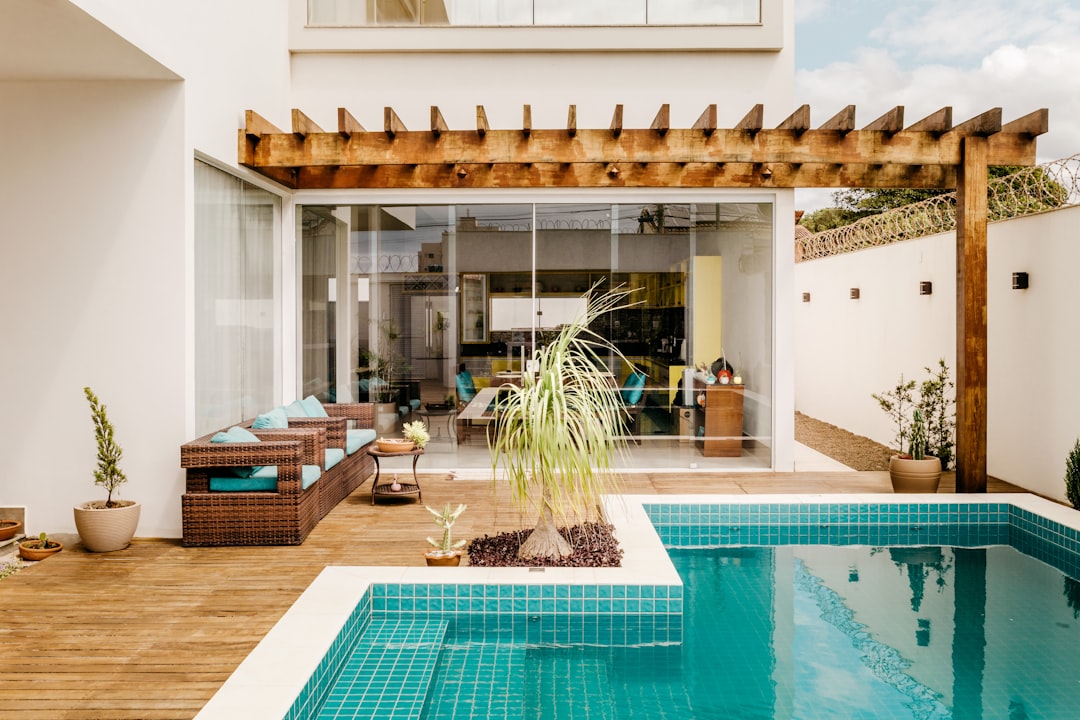
Before embarking on the journey of transforming an outdoor area into a functional and aesthetically pleasing space, it is crucial to conduct a thorough assessment of the available space. This initial evaluation involves measuring the dimensions of the area, taking note of any existing features such as trees, pathways, or structures that may influence the design. Understanding the layout is essential, as it allows for the identification of both opportunities and constraints within the space.
For instance, a small patio may benefit from a circular seating arrangement that encourages conversation, while a sprawling backyard could accommodate distinct zones for dining, lounging, and gardening. Once the dimensions and features are established, the next step is to visualize how the space will be utilized. This involves considering the primary activities that will take place in the area—whether it’s hosting gatherings, enjoying quiet moments alone, or engaging in outdoor cooking.
Creating a rough sketch or using design software can help in visualizing different layouts. For example, if entertaining is a priority, positioning a dining table near the kitchen entrance can facilitate easy serving. Alternatively, if relaxation is the goal, placing lounge chairs in a sun-drenched corner can create a serene retreat.
The layout should flow naturally, allowing for easy movement between different areas while maximizing the use of available space.
Key Takeaways
- Assess the space and determine the layout to optimize the use of your outdoor area
- Choose suitable outdoor furniture and decor that complements the space and provides comfort
- Consider privacy and security measures to create a peaceful and secure outdoor environment
- Create a cozy atmosphere with lighting and greenery to enhance the ambiance of your outdoor space
- Incorporate functional elements, such as a grill or fire pit, to make your outdoor space more enjoyable and practical
- Add personal touches and comfortable amenities to make your outdoor space feel like an extension of your home
- Utilize vertical space for storage and greenery to maximize the use of your outdoor area
- Maintain and care for your outdoor space to ensure it remains a welcoming and enjoyable environment
Choose Suitable Outdoor Furniture and Decor
Selecting the right outdoor furniture is pivotal in establishing both comfort and style in your outdoor space. The choice of materials plays a significant role in durability and maintenance; for instance, teak and eucalyptus are popular choices for their resistance to weather elements, while aluminum offers a lightweight option that is easy to move. When choosing furniture, consider the scale and proportion relative to the space.
Oversized pieces can overwhelm a small area, while too-small furniture may feel lost in a larger setting. A well-proportioned sectional sofa can create an inviting lounge area, while a compact bistro set might be perfect for intimate gatherings. In addition to furniture, decor elements such as cushions, throws, and outdoor rugs can enhance comfort and visual appeal.
Fabrics designed for outdoor use are essential; they should be fade-resistant and water-repellent to withstand the elements.
For example, bright cushions can contrast beautifully against neutral furniture, creating a lively atmosphere.
Furthermore, decorative items like lanterns or sculptures can serve as focal points that draw the eye and add character to the environment. The key is to strike a balance between functionality and aesthetics, ensuring that each piece contributes to an inviting atmosphere.
Consider Privacy and Security Measures
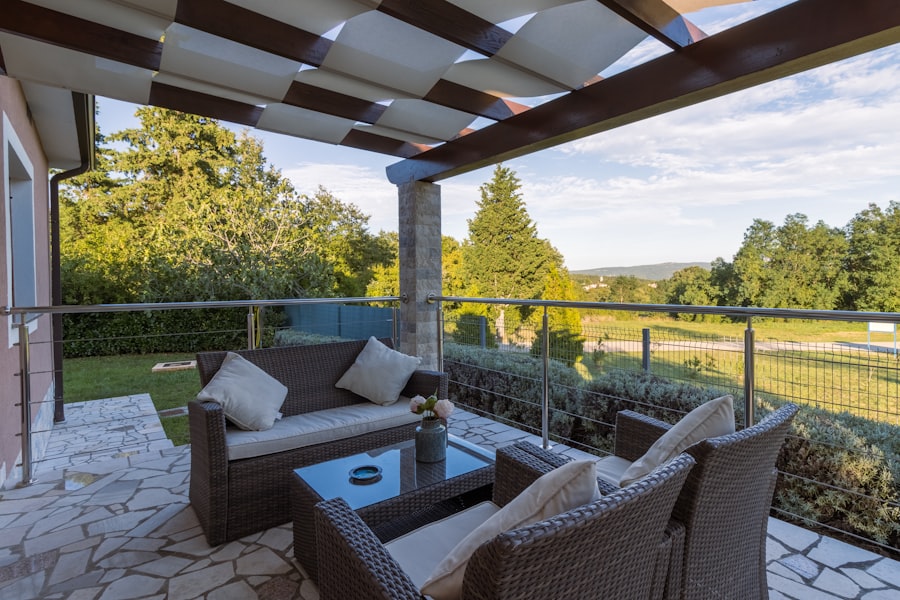
Creating an outdoor oasis often involves addressing privacy concerns and ensuring security. Depending on the location of your space, you may find that neighbors or passersby can easily see into your yard or patio. To mitigate this, consider installing privacy screens or trellises adorned with climbing plants.
Bamboo screens are particularly effective; they provide an organic look while blocking unwanted views. Additionally, strategically placed hedges or tall planters filled with dense foliage can create natural barriers that enhance seclusion without feeling confining. Security is another critical aspect to consider when designing an outdoor space.
If your area is prone to theft or vandalism, investing in motion-sensor lights can deter intruders while providing illumination during evening hours. Additionally, securing gates and installing locks can further enhance safety. For those who enjoy entertaining at night, ensuring that pathways are well-lit not only adds to security but also enhances the overall ambiance of the space.
By thoughtfully addressing privacy and security concerns, you can create an outdoor environment that feels safe and secluded.
Create a Cozy Atmosphere with Lighting and Greenery
The right lighting can dramatically transform an outdoor space from ordinary to extraordinary. Layering different types of lighting—ambient, task, and accent—can create a warm and inviting atmosphere. String lights draped overhead can provide a magical glow during evening gatherings, while solar-powered lanterns along pathways offer both safety and charm.
For dining areas, consider installing pendant lights or wall sconces that provide focused illumination without being harsh. The goal is to create a soft ambiance that encourages relaxation and social interaction. Incorporating greenery into your outdoor design not only enhances aesthetics but also contributes to a sense of tranquility.
Plants can soften hard edges and add life to the environment. Consider using a mix of perennials, annuals, and evergreens to ensure year-round interest. Vertical gardens or wall planters are excellent options for smaller spaces where ground area is limited.
Additionally, incorporating fragrant plants such as lavender or jasmine can engage the senses and create an inviting atmosphere. The combination of thoughtful lighting and lush greenery fosters a cozy retreat that invites you to linger outdoors.
Incorporate Functional Elements, Such as a Grill or Fire Pit
To elevate your outdoor experience further, consider incorporating functional elements that enhance usability and enjoyment. A grill is often considered a staple for outdoor cooking enthusiasts; it not only allows for delicious meals but also serves as a social hub during gatherings. When selecting a grill, consider your cooking style—gas grills offer convenience and quick heat-up times, while charcoal grills provide that classic smoky flavor that many barbecue aficionados cherish.
Another popular addition is a fire pit, which serves as both a source of warmth and a gathering point for friends and family. Fire pits come in various styles—from portable models to built-in stone structures—and can be used for roasting marshmallows or simply enjoying the ambiance of flickering flames. Surrounding the fire pit with comfortable seating encourages conversation and creates an inviting atmosphere for evening gatherings.
By incorporating these functional elements into your outdoor design, you not only enhance its usability but also create memorable experiences for yourself and your guests.
Add Personal Touches and Comfortable Amenities
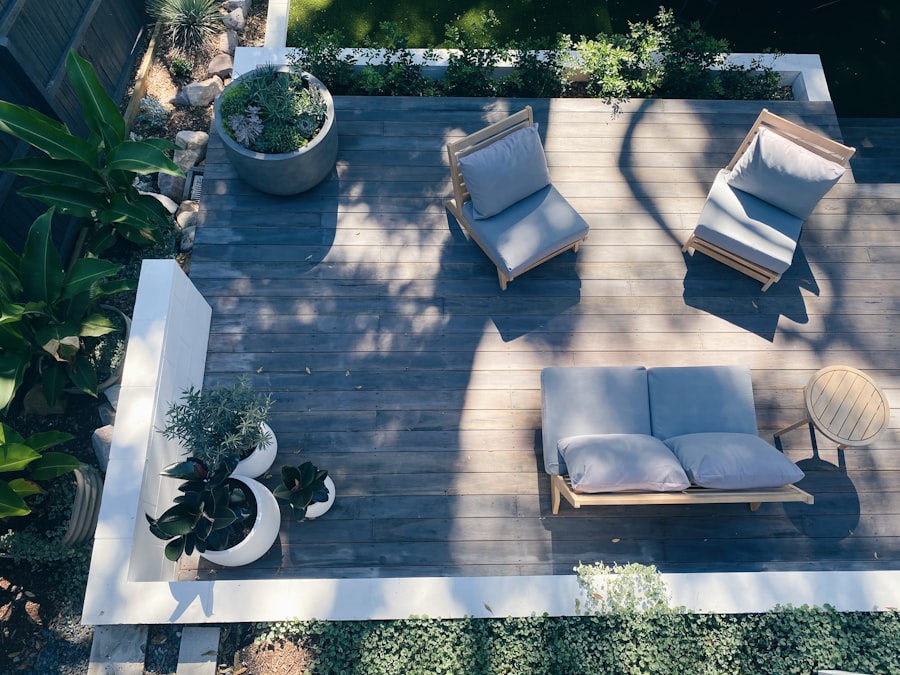
Personalization is key to making any outdoor space feel like an extension of your home. Adding personal touches such as artwork, decorative pillows with unique patterns, or handmade crafts can infuse character into your environment. Consider displaying items that reflect your interests or travels—perhaps a collection of vintage garden tools or decorative pots from local artisans can serve as conversation starters while showcasing your personality.
Comfortable amenities are equally important in creating an inviting outdoor space. Consider adding features such as outdoor blankets for cooler evenings or cushions with varying textures to enhance seating comfort. If you have children or pets, incorporating playful elements like hammocks or swings can make the space more enjoyable for everyone.
Additionally, providing access to refreshments through an outdoor bar cart or cooler ensures that guests feel catered to during gatherings. These thoughtful details contribute to an overall sense of warmth and hospitality.
Utilize Vertical Space for Storage and Greenery
In many outdoor spaces, vertical space is often underutilized; however, it presents an excellent opportunity for both storage solutions and additional greenery. Vertical gardening techniques allow you to maximize limited ground space by growing plants upward rather than outward. Wall-mounted planters or trellises can support climbing plants like cucumbers or flowering vines while adding visual interest to walls or fences.
Storage solutions can also be integrated into vertical designs; for instance, shelving units can hold gardening tools or decorative items while keeping them off the ground. Vertical storage not only helps maintain organization but also frees up floor space for other activities. Consider using decorative ladders or wall hooks to display items like watering cans or garden gloves in an aesthetically pleasing manner.
By creatively utilizing vertical space, you can enhance both functionality and beauty in your outdoor area.
Maintain and Care for Your Outdoor Space
Once your outdoor space has been thoughtfully designed and furnished, ongoing maintenance becomes essential to preserve its beauty and functionality. Regular upkeep includes tasks such as cleaning furniture, pruning plants, and checking for any signs of wear or damage. For wooden furniture, applying protective sealants annually can prevent weather-related deterioration; metal pieces may require rust treatment to maintain their appearance.
Seasonal care is also important; in colder climates, preparing plants for winter by mulching or bringing potted plants indoors can ensure their survival until spring returns. Additionally, keeping pathways clear of debris not only enhances safety but also contributes to the overall aesthetic appeal of your space. By committing to regular maintenance routines, you ensure that your outdoor oasis remains inviting and enjoyable throughout the seasons.
Creating an inviting outdoor space requires careful planning and consideration across various elements—from layout assessment to personal touches that reflect your style. By thoughtfully integrating functional features alongside aesthetic enhancements, you can cultivate an environment that serves as both a retreat from daily life and a vibrant gathering place for friends and family alike.