Before embarking on any flooring project in a basement, it is crucial to assess the moisture levels present in the space. Basements are inherently prone to dampness due to their location below ground level, where they are more susceptible to water intrusion from the surrounding soil. To accurately gauge moisture levels, homeowners can utilize a variety of methods, including moisture meters, which provide a quantitative measure of the moisture content in the air and materials.
Additionally, visual inspections for signs of mold, mildew, or water stains can offer valuable insights into the moisture situation. If the basement has a history of flooding or leaks, it is essential to address these issues before considering any flooring options. In some cases, homeowners may need to conduct a more thorough assessment by performing a simple plastic sheet test.
This involves sealing a piece of plastic sheeting to the floor with tape and observing for condensation over a few days. If moisture collects under the plastic, it indicates that the floor is releasing moisture, which could lead to problems with certain types of flooring. Understanding the moisture levels in the basement not only informs the choice of flooring material but also helps in determining whether additional waterproofing measures are necessary.
This foundational step is critical in ensuring that any investment in flooring does not lead to future complications.
Key Takeaways
- Moisture levels in the basement must be assessed before choosing flooring
- Consider the intended use of the basement when selecting flooring materials
- Budget for both installation and long-term maintenance costs
- Evaluate the aesthetic appeal of different flooring options in the basement
- Consider the durability of carpet versus hardwood in a basement setting
- Understand the insulation and comfort factors of different flooring materials
- Factor in the potential impact on the resale value of the home
- Consult with a professional for expert advice on basement flooring options
Considering the Basement’s Use
The intended use of the basement plays a significant role in determining the most suitable flooring option. For instance, if the basement is being transformed into a recreational area or a family room, comfort and aesthetics may take precedence over durability. In such cases, homeowners might lean towards softer flooring options like carpet, which can provide warmth and a cozy atmosphere.
Conversely, if the basement is primarily used for storage or as a utility space, more durable and easy-to-clean materials like vinyl or tile may be more appropriate. Moreover, the activities planned for the basement can influence not only the choice of flooring but also its maintenance requirements. A home gym, for example, would benefit from flooring that can withstand heavy equipment and is resistant to moisture and spills.
Rubber flooring or vinyl tiles designed for high-traffic areas would be ideal in this scenario. On the other hand, if the basement serves as a guest suite or an entertainment area, aesthetics become more critical, and homeowners might opt for hardwood or laminate flooring that enhances the overall design of the space. Understanding how the basement will be utilized allows homeowners to make informed decisions that align with their lifestyle needs.
Budgeting for Installation and Maintenance

When planning for new flooring in a basement, budgeting is an essential consideration that encompasses both installation costs and ongoing maintenance expenses. The initial outlay for materials can vary significantly depending on the type of flooring chosen. For example, while carpet may be one of the more affordable options upfront, it often requires regular cleaning and eventual replacement due to wear and tear.
In contrast, hardwood flooring may have a higher initial cost but can last for decades with proper care, making it a potentially more economical choice in the long run. Additionally, homeowners should factor in installation costs, which can vary based on the complexity of the project and local labor rates. Some flooring types, such as luxury vinyl planks or laminate, are designed for easy DIY installation, potentially saving on labor costs.
Beyond installation, ongoing maintenance costs should also be considered; for instance, hardwood floors may require periodic refinishing, while carpets may need regular steam cleaning to maintain their appearance and hygiene. A comprehensive budget that accounts for both initial and long-term expenses will help homeowners make informed decisions that align with their financial capabilities.
Evaluating the Aesthetic Appeal
The aesthetic appeal of flooring can dramatically influence the overall ambiance of a basement space. Homeowners often seek flooring that complements their existing decor while also enhancing the visual appeal of the area. For instance, hardwood floors exude warmth and elegance, making them an attractive choice for basements intended for entertaining or relaxation.
The natural grain patterns and rich tones of hardwood can create a sophisticated atmosphere that elevates the entire space. On the other hand, modern trends have seen an increase in popularity for materials like luxury vinyl and laminate that mimic the look of hardwood or stone at a fraction of the cost. These materials offer versatility in design while being available in various colors and textures to suit different tastes.
Additionally, carpets can add softness and warmth to a basement, making it feel more inviting. The choice of color and pattern can also play a significant role in setting the mood; lighter shades can make a space feel larger and airier, while darker tones can create a cozy retreat. Ultimately, evaluating aesthetic appeal involves considering how each flooring option aligns with personal style preferences and how it contributes to the overall design vision for the basement.
Durability is a critical factor when selecting flooring for a basement, particularly given its unique environmental conditions. Carpet may offer comfort and warmth but is generally less durable than hardwood when exposed to moisture and heavy foot traffic. In basements prone to dampness or flooding, carpets can absorb water and become breeding grounds for mold and mildew if not properly maintained.
Even with protective measures like moisture barriers, carpets may require more frequent replacement than harder surfaces. In contrast, hardwood floors are known for their longevity and resilience. When properly installed and maintained, hardwood can withstand years of use without significant wear.
However, they are not entirely impervious to damage; excessive moisture can cause warping or buckling over time. Homeowners must weigh these factors carefully when making their decision. For those who prioritize durability and are willing to invest in proper maintenance practices, hardwood may be the superior choice.
Conversely, if comfort is paramount and the basement is not subject to high moisture levels, carpet could still be a viable option with appropriate precautions.
Understanding the Insulation and Comfort Factors
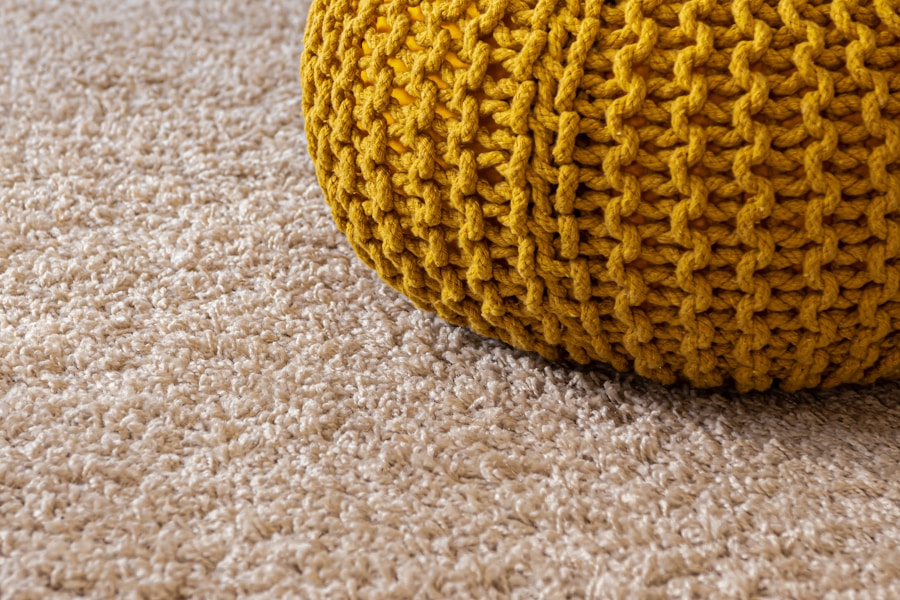
Insulation plays a vital role in maintaining comfort levels within a basement environment. The choice of flooring can significantly impact how well a basement retains heat during colder months or stays cool during warmer seasons. Carpeting provides natural insulation due to its fibers and padding, which can help keep feet warm on chilly concrete floors while also contributing to sound absorption—an important consideration in multi-level homes where noise transfer can be an issue.
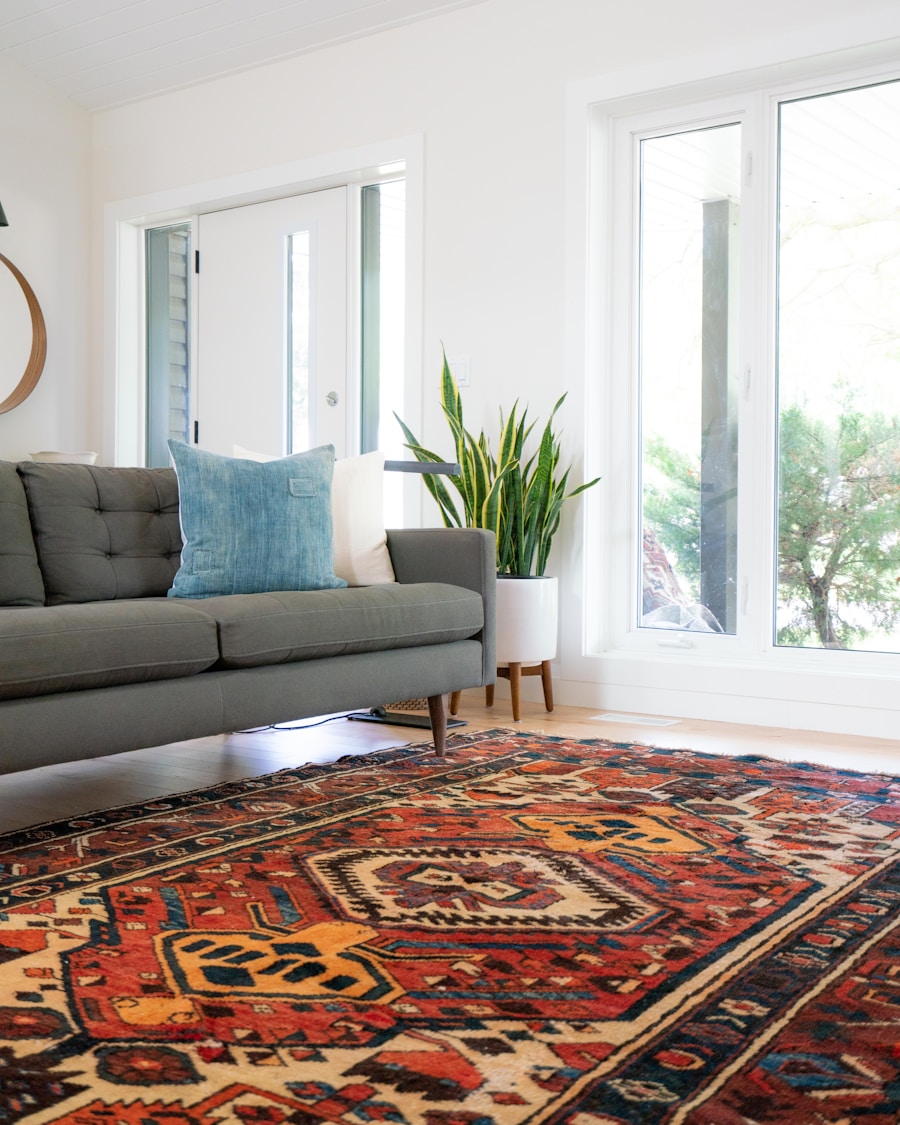
Hardwood floors, while aesthetically pleasing and durable, do not offer the same level of insulation as carpet. However, they can be paired with area rugs to enhance comfort without sacrificing style. Additionally, radiant heating systems can be installed beneath hardwood floors to provide warmth during winter months; this option adds an extra layer of comfort but also increases installation costs.
Understanding how different flooring options affect insulation will help homeowners create a comfortable living environment that meets their needs throughout the year.
Factoring in the Resale Value of the Home
When considering new flooring for a basement, homeowners should also take into account how their choices will impact the resale value of their property. Certain flooring materials tend to appeal more to potential buyers than others; for instance, hardwood floors are often viewed as a premium feature that can enhance marketability and increase home value. Many buyers appreciate the timeless elegance of hardwood and are willing to pay a premium for homes that feature this type of flooring.
Conversely, while carpet may provide immediate comfort and warmth, it is often seen as less desirable by buyers due to concerns about maintenance and longevity. Homes with outdated or worn carpeting may struggle to attract buyers or command competitive offers in the market. Therefore, investing in durable and aesthetically pleasing flooring options like hardwood or high-quality vinyl can yield significant returns when it comes time to sell.
Homeowners should consider their long-term plans when selecting flooring materials; choosing options that enhance both comfort and resale value will ultimately benefit them financially.
Consulting with a Professional for Expert Advice
Navigating the complexities of flooring choices for a basement can be overwhelming; therefore, consulting with professionals in the field is highly advisable. Flooring experts can provide valuable insights into material performance based on specific conditions such as moisture levels and intended use. They can also recommend appropriate installation techniques that ensure longevity and durability while adhering to local building codes.
Additionally, professionals can assist homeowners in understanding their options within budget constraints while considering aesthetic preferences and maintenance requirements. Engaging with interior designers or contractors who specialize in basement renovations can lead to informed decisions that align with both practical needs and design aspirations. By leveraging expert advice, homeowners can avoid common pitfalls associated with DIY projects and ensure that their investment results in a functional and appealing space tailored to their lifestyle needs.