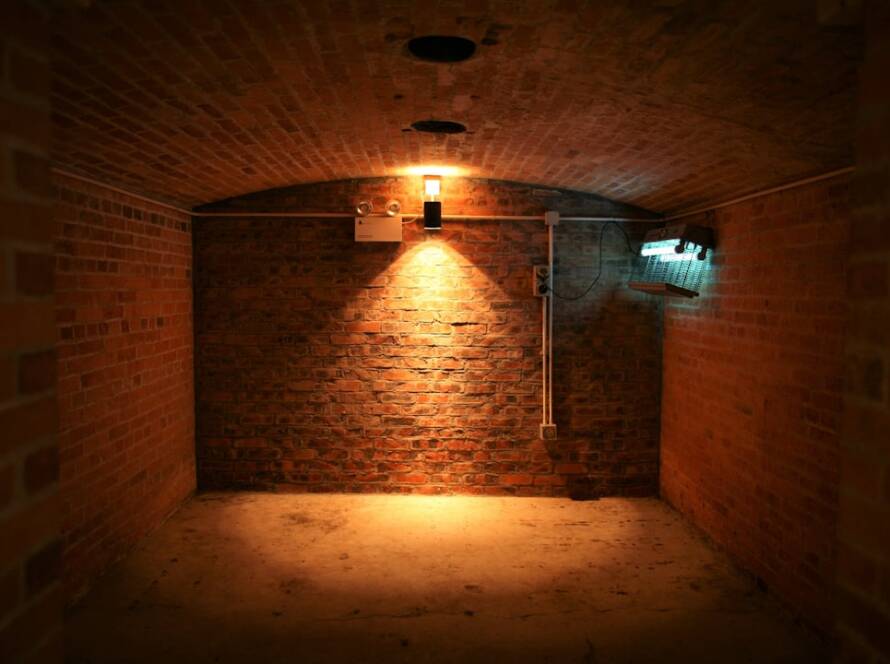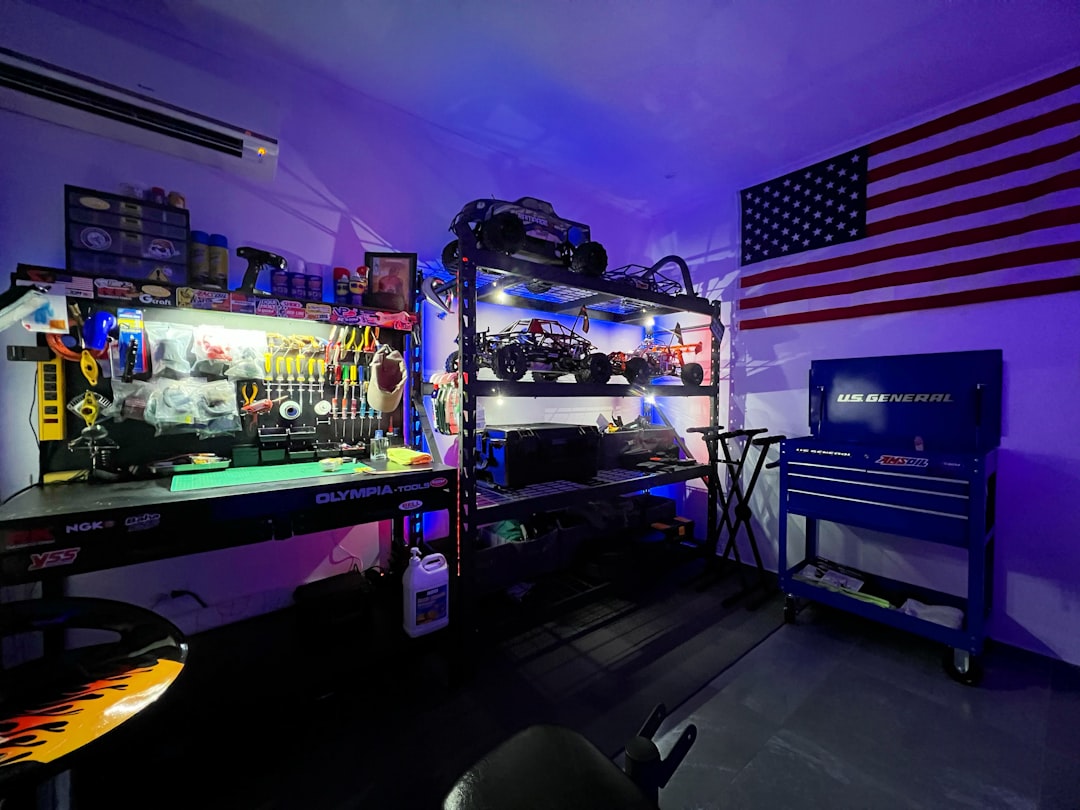
When considering the transformation of a Brooklyn basement into an in-law suite, the first step is a thorough assessment of the space. Basements often present unique challenges and opportunities, particularly in urban settings like Brooklyn, where square footage is at a premium. Begin by evaluating the dimensions of the basement, noting ceiling height, natural light sources, and existing structural elements such as support beams and ductwork.
These factors will significantly influence your design choices and the overall functionality of the suite. For instance, a low ceiling may necessitate creative lighting solutions to avoid a cramped feeling, while ample natural light can enhance the ambiance and make the space feel more inviting. Additionally, consider the existing infrastructure of the basement.
Is there adequate plumbing for a bathroom? Are there any signs of moisture or water damage that could complicate renovations? Addressing these issues early on is crucial to ensure a safe and comfortable living environment.
In Brooklyn, where many basements are older and may not have been updated for years, it’s wise to consult with a contractor who specializes in basement renovations. They can provide insights into local building codes and regulations, ensuring that your in-law suite meets all necessary requirements. This initial assessment will lay the groundwork for a successful renovation project, allowing you to envision how best to utilize the space.
Key Takeaways
- Assess the space: Evaluate the size, layout, and potential challenges of your Brooklyn basement in-law suite before planning your home theater setup.
- Design the layout: Plan the home theater setup to optimize seating, screen placement, and sound system for the best viewing experience.
- Soundproof and insulate: Create a quiet and comfortable environment by adding insulation and soundproofing materials to minimize noise and disturbances.
- Choose the right equipment: Select the best audio and visual components for your home theater, considering factors like screen size, sound quality, and connectivity options.
- Consider wiring and electrical needs: Ensure proper installation and safety by planning for wiring, outlets, and power needs for your home theater setup.
Designing the Layout: Planning the Home Theater Setup
Once you have assessed the space, the next step is to design a layout that maximizes both functionality and comfort. A well-planned home theater setup requires careful consideration of seating arrangements, screen placement, and acoustics. Start by determining the primary function of the space: will it serve solely as a home theater, or will it also accommodate sleeping arrangements for guests?
If it’s a dual-purpose room, you’ll need to create a flexible layout that allows for easy transitions between uses. In terms of seating, consider options that provide comfort without sacrificing space. Recliners or sectional sofas can be excellent choices, as they offer ample seating while allowing for a cozy atmosphere.
Positioning seats at an optimal distance from the screen is crucial; typically, this distance is about 1.5 to 2.5 times the diagonal size of your screen. Additionally, think about sightlines—ensuring that everyone has an unobstructed view of the screen is essential for an enjoyable viewing experience. Incorporating tiered seating can also enhance visibility and create a more immersive environment.
Soundproofing and Insulation: Creating a Quiet and Comfortable Environment
Soundproofing is a critical aspect of designing a home theater, especially in a Brooklyn basement where noise from above or outside can disrupt your cinematic experience.
These panels absorb sound waves and reduce echo, enhancing audio quality within the room.
Additionally, installing soundproof doors and windows can significantly minimize external noise intrusion. Insulation plays a vital role in maintaining temperature control and sound quality. Using high-density insulation materials in walls and ceilings can help regulate temperature while also providing soundproofing benefits.
If your basement has exposed ductwork or pipes, consider wrapping them in insulation to further reduce noise transmission.
Choosing the Right Audio and Visual Equipment: Selecting the Best Home Theater Components
Selecting the right audio and visual equipment is paramount to achieving an exceptional home theater experience. Start with the display; options range from high-definition LED TVs to projectors that can create a cinematic feel on a larger scale. When choosing between these options, consider factors such as room size, lighting conditions, and personal preferences regarding screen size.
For instance, if your basement has limited natural light, an LED TV may be more suitable due to its brightness capabilities. Audio equipment is equally important in creating an immersive experience. A surround sound system can elevate movie-watching to new heights by providing depth and clarity to audio.
Look for systems that include multiple speakers strategically placed around the room to create a three-dimensional sound field. Brands like Sonos and Bose offer excellent options that cater to various budgets and preferences. Additionally, consider integrating smart technology into your setup; devices like streaming boxes or smart speakers can enhance convenience and accessibility.
Wiring and Electrical Considerations: Ensuring Proper Installation and Safety
Proper wiring and electrical considerations are essential when setting up your home theater in a basement environment. Begin by assessing your current electrical system to ensure it can handle the additional load from your audio-visual equipment. It may be necessary to upgrade your electrical panel or add dedicated circuits for high-wattage devices like projectors or amplifiers.
When running wires for speakers, screens, and other components, plan your layout carefully to avoid clutter and maintain aesthetics. Concealing wires within walls or using cable management systems can create a clean look while preventing tripping hazards. Additionally, ensure that all electrical work complies with local building codes; hiring a licensed electrician can help guarantee safety and adherence to regulations.
This attention to detail will not only enhance functionality but also provide peace of mind regarding safety.
Furniture and Decor: Selecting Comfortable Seating and Stylish Accents
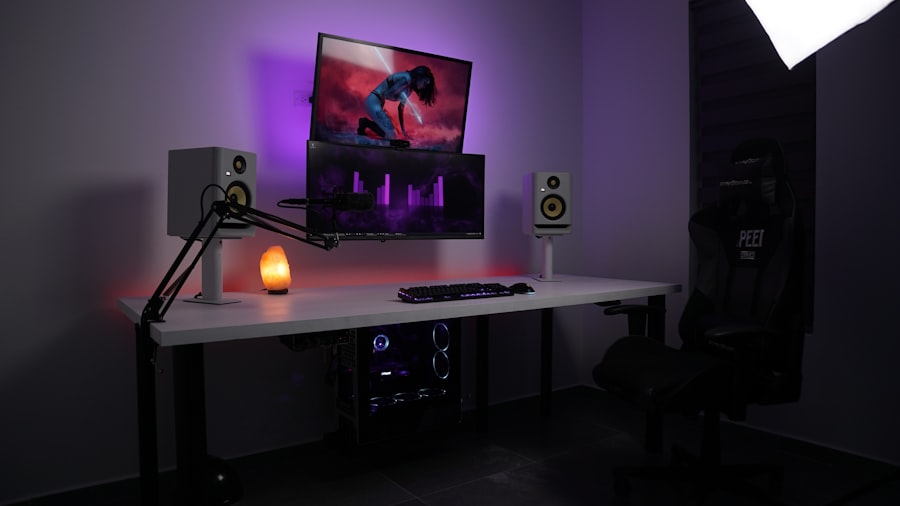
The choice of furniture and decor plays a significant role in creating an inviting atmosphere in your home theater suite. Comfort should be paramount when selecting seating; recliners with built-in cup holders or sectionals with plush cushions can enhance relaxation during movie nights. Consider incorporating modular furniture that allows for flexibility in arrangement; this adaptability can be particularly useful if you plan to host gatherings or events.
In terms of decor, aim for a cohesive theme that reflects your personal style while enhancing the cinematic experience. Darker colors on walls can help reduce glare on screens while creating an intimate ambiance. Wall art featuring classic films or vintage movie posters can add character to the space without overwhelming it.
Additionally, incorporating soft textiles such as throw blankets or decorative pillows can provide comfort while also contributing to the overall aesthetic.
Lighting and Ambiance: Setting the Mood for a Cinematic Experience
Lighting is one of the most critical elements in establishing the right ambiance for your home theater. A well-designed lighting scheme can enhance both functionality and mood, allowing you to transition seamlessly from bright activity during social gatherings to dimmed settings for movie watching. Consider installing dimmable LED lights that allow you to adjust brightness levels according to your needs.
Incorporating layered lighting can also add depth to the space; combine ambient lighting with accent lights that highlight architectural features or decor elements. For instance, wall sconces can provide soft illumination while adding visual interest to the room. Additionally, smart lighting systems enable you to control brightness and color temperature through mobile apps or voice commands, offering convenience at your fingertips.
Final Touches: Adding Personalized Details and Finishing Touches to Your Home Theater
As you approach the completion of your home theater project, it’s time to focus on those final touches that will personalize the space and make it truly yours. Consider adding elements that reflect your interests or hobbies—whether it’s memorabilia from favorite films or bookshelves filled with your favorite reads, these details can infuse character into the room. Additionally, think about incorporating technology that enhances convenience and enjoyment.
Smart home integration allows you to control everything from lighting to audio-visual equipment with ease, creating a seamless experience for you and your guests. Finally, don’t overlook practical elements such as snack stations or mini-fridges stocked with refreshments; these additions can elevate movie nights into memorable experiences. By carefully considering each aspect of your basement in-law suite transformation—from assessing the space to adding personalized details—you can create a home theater that not only meets functional needs but also serves as a stylish retreat for family gatherings or quiet evenings at home.
If you’re looking to add a home theater to your Brooklyn basement in-law suite, you may also be interested in checking out the article on the top architectural trends to inspire your next project. This article offers valuable insights and ideas on how to create a stylish and functional space that complements your home theater setup. You can find more information on this topic by visiting this link.
FAQs
What is a home theater?
A home theater is a dedicated space in a home that is designed to replicate the experience of watching a movie in a commercial theater. It typically includes a large screen or projection system, high-quality audio equipment, and comfortable seating.
What is a Brooklyn basement in-law suite?
A Brooklyn basement in-law suite is a living space located in the basement of a home that is designed to accommodate a family member or guest. It often includes a bedroom, bathroom, and living area, and may have a separate entrance for privacy.
What are the benefits of adding a home theater to a Brooklyn basement in-law suite?
Adding a home theater to a Brooklyn basement in-law suite can provide entertainment and relaxation for both the residents of the suite and their guests. It can also add value to the home and make the basement space more functional and enjoyable.
What are the key considerations when adding a home theater to a Brooklyn basement in-law suite?
Key considerations when adding a home theater to a Brooklyn basement in-law suite include the layout and design of the space, the selection of audio and video equipment, the installation of proper lighting and acoustics, and the comfort of the seating.
What are some tips for designing a home theater in a Brooklyn basement in-law suite?
Some tips for designing a home theater in a Brooklyn basement in-law suite include choosing a layout that maximizes the available space, selecting high-quality audio and video equipment, incorporating soundproofing and proper lighting, and choosing comfortable and stylish seating options.