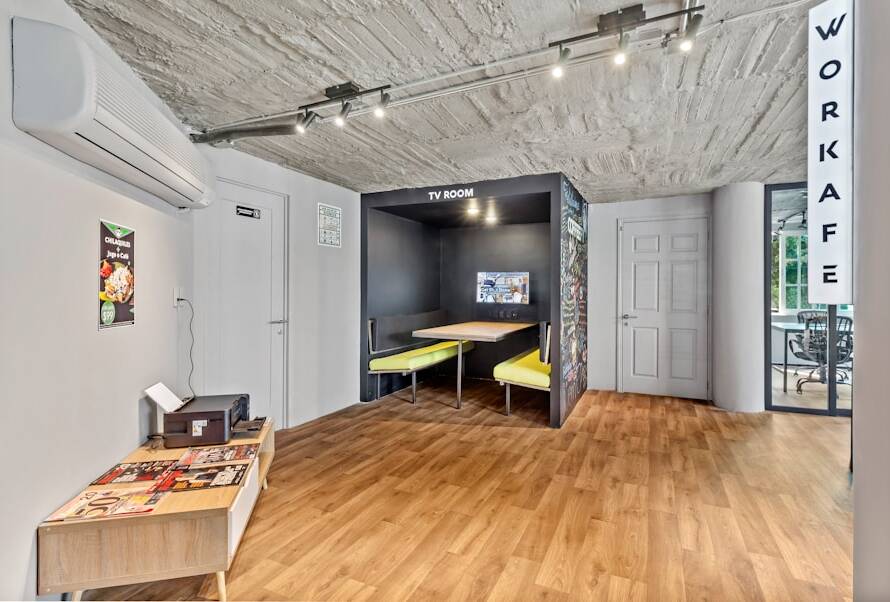
Creating a conducive work environment in a basement office requires a thorough understanding of soundproofing needs. Basements are often prone to noise disturbances due to their proximity to mechanical systems, external elements, and sometimes even the ground itself. The unique acoustics of a basement can amplify sounds, making it essential to address these issues effectively.
The primary goal of soundproofing is to minimize unwanted noise from both external and internal sources, allowing for a focused and productive workspace. When considering soundproofing for a basement office, it is crucial to recognize the specific challenges posed by the environment. Basements typically have hard surfaces such as concrete floors and walls, which can reflect sound waves rather than absorb them.
This reflection can lead to echoes and an overall increase in noise levels. Additionally, the layout of the basement may contribute to sound transmission, with open spaces allowing noise to travel freely. Understanding these factors will help in devising a tailored soundproofing strategy that meets the unique requirements of your basement office.
Key Takeaways
- Understanding the layout and purpose of your basement office is crucial for determining soundproofing needs
- Assessing the current soundproofing situation involves identifying existing noise issues and potential sources of sound leakage
- Identifying potential noise sources such as HVAC systems, pipes, and outside traffic can help in targeting specific areas for soundproofing
- Choosing the right soundproofing materials, such as acoustic panels, soundproof curtains, and insulation, can make a significant difference in reducing noise levels
- Implementing soundproofing techniques like double glazing windows, adding rugs and carpets, and using soundproofing paint can further enhance the quietness of your basement office
Assessing the Current Soundproofing Situation
Identifying Noise Sources
Begin by carefully listening to the types that penetrate your office environment. Are they coming from outside, such as traffic or lawn equipment? Or are they internal sounds, like voices from other rooms or mechanical noises from heating and cooling systems? Identifying these sources will guide your soundproofing efforts.
Evaluating Existing Barriers
In addition to identifying noise sources, it is essential to evaluate the existing barriers within the basement. This includes examining windows, doors, walls, and ceilings for their soundproofing capabilities. For instance, single-pane windows may allow significant noise infiltration, while solid-core doors can provide better sound isolation than hollow-core options.
Assessing Insulation and Prioritizing Efforts
Furthermore, consider the insulation within the walls and ceiling; inadequate insulation can lead to increased sound transmission. By conducting a thorough assessment, you can pinpoint areas that require improvement and prioritize your soundproofing efforts accordingly.
Identifying Potential Noise Sources
Identifying potential noise sources is a critical step in developing an effective soundproofing strategy for your basement office. Noise can originate from various places, both inside and outside the home. External sources may include traffic noise from nearby roads, sounds from neighbors’ yards, or even environmental factors like wind and rain.
Understanding these external influences will help you determine which areas need more robust soundproofing solutions. Internal noise sources are equally important to consider. These may include sounds from appliances such as washing machines or HVAC systems, conversations from other rooms, or even foot traffic above your office space.
Each of these elements contributes to the overall noise level in your basement office and can significantly impact your ability to concentrate. By creating a comprehensive list of potential noise sources, you can better tailor your soundproofing approach to address each issue effectively.
Choosing the Right Soundproofing Materials
Selecting appropriate soundproofing materials is crucial for achieving optimal results in your basement office.
Acoustic panels are one popular option; they are designed to absorb sound waves and reduce echo within a space.
These panels can be strategically placed on walls or ceilings to enhance sound quality and minimize distractions. Another effective material is mass-loaded vinyl (MLV), which is a dense barrier that can be added to walls, ceilings, or floors to block sound transmission. MLV is particularly useful in areas where space is limited since it can be installed without significantly altering the room’s dimensions.
Additionally, consider using resilient channels when installing drywall; these channels create a separation between the drywall and the framing, reducing sound transmission through structural elements. By carefully selecting materials based on their acoustic properties and compatibility with your existing space, you can create a more peaceful working environment.
Implementing Soundproofing Techniques
Once you have chosen the right materials for your basement office, it is time to implement effective soundproofing techniques. One common method involves adding additional layers of drywall to existing walls. This technique not only increases mass but also creates an air gap that helps reduce sound transmission.
When installing new drywall, consider using soundproofing adhesive between layers for enhanced performance. Another technique involves decoupling walls using resilient channels or sound isolation clips. These methods create a break in the direct path of sound waves, significantly reducing their ability to travel through walls and ceilings.
Additionally, consider installing acoustic ceiling tiles if your basement has a drop ceiling; these tiles can absorb sound and improve overall acoustics in the room. Implementing these techniques will require careful planning and execution but can lead to substantial improvements in sound isolation.
Sealing Gaps and Cracks

An often-overlooked aspect of soundproofing is sealing gaps and cracks throughout your basement office. Even small openings can allow significant amounts of noise to infiltrate your workspace. Begin by inspecting windows and doors for any gaps where sound may leak through.
Weatherstripping or door sweeps can be effective solutions for sealing these openings and preventing noise from entering. In addition to doors and windows, pay attention to electrical outlets, vents, and any other penetrations in walls or ceilings. Acoustic caulk is an excellent material for sealing these gaps; it remains flexible after curing and effectively blocks sound transmission.
By thoroughly sealing all potential openings, you will create a more airtight environment that minimizes noise intrusion and enhances the effectiveness of your overall soundproofing efforts.
Adding Soundproofing Decor and Furniture
Incorporating soundproofing decor and furniture into your basement office can further enhance its acoustic properties while also adding aesthetic appeal. Soft furnishings such as rugs, curtains, and upholstered furniture can absorb sound waves and reduce echo within the space. A thick area rug on a concrete floor not only adds comfort but also helps dampen noise levels significantly.
Additionally, consider using bookshelves filled with books or decorative items as natural sound barriers. These items can help break up sound waves and reduce reflections within the room.
By thoughtfully selecting decor and furniture that serve both functional and aesthetic purposes, you can create a more inviting and quieter workspace.
Regular Maintenance and Upkeep for Soundproofing Efforts
Soundproofing is not a one-time project; it requires regular maintenance and upkeep to ensure its effectiveness over time. Periodically inspect all soundproofing materials for signs of wear or damage. For instance, check acoustic panels for any sagging or detachment from walls, as well as ensuring that seals around windows and doors remain intact.
Additionally, keep an eye on any changes in noise levels within your basement office. If you notice an increase in unwanted sounds, it may be time to reassess your soundproofing measures or consider additional enhancements. Regular maintenance not only prolongs the life of your soundproofing efforts but also ensures that your basement office remains a productive haven free from distractions.
By committing to ongoing upkeep, you can maintain an optimal working environment that supports focus and creativity.
If you’re looking to create a modern and functional basement office in Brooklyn, you may also want to consider innovative home solutions for a modern lifestyle. This article from basementremodelingesg.com offers tips and ideas for incorporating smart technology and design into your basement renovation project. Additionally, ensuring your basement is properly waterproofed is essential for protecting your investment. Check out basementremodelingesg.com for information on basement waterproofing services. And don’t forget about the importance of choosing the right fasteners for your project – learn more about fasteners 101 in this helpful article from basementremodelingesg.com.
FAQs
What are the benefits of soundproofing a basement office?
Soundproofing a basement office can help create a quiet and productive work environment by reducing noise from outside sources and other parts of the house. It can also improve privacy and prevent sound from escaping the office and disturbing others in the home.
What are some effective soundproofing methods for a basement office?
Effective soundproofing methods for a basement office include adding insulation to the walls, ceilings, and floors, installing soundproofing curtains or acoustic panels, sealing any gaps or cracks, and using soundproofing materials such as mass-loaded vinyl or acoustic foam.
Are there any specific building codes or regulations to consider when soundproofing a basement office in Brooklyn, NY?
It’s important to check local building codes and regulations before undertaking any soundproofing projects in Brooklyn, NY. Some areas may have specific requirements for soundproofing materials or methods, especially in residential buildings.
How can I determine the best soundproofing approach for my basement office in Brooklyn, NY?
It’s recommended to consult with a professional soundproofing contractor or acoustic consultant who can assess the specific needs of your basement office and recommend the most effective soundproofing solutions based on factors such as the existing construction, budget, and desired level of sound reduction.
What are some common mistakes to avoid when soundproofing a basement office?
Common mistakes to avoid when soundproofing a basement office include overlooking air gaps and cracks, using inadequate or ineffective soundproofing materials, and neglecting to address all potential sources of noise transmission, such as windows or doors.