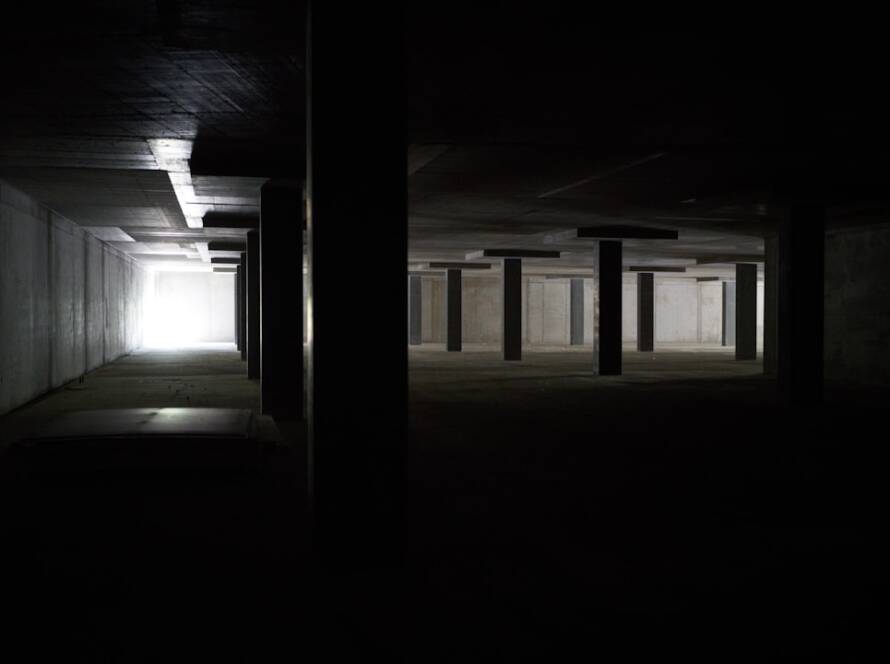
Basement apartments present a distinctive set of challenges that can significantly impact their livability and functionality. One of the most pressing issues is the inherent lack of natural light, which can create a gloomy atmosphere and affect the overall mood of the space. This absence of sunlight not only influences the aesthetic appeal but can also lead to feelings of isolation for residents.
Additionally, basement apartments are often more susceptible to moisture problems due to their proximity to the ground, which can result in dampness and mold growth if not properly managed. These factors necessitate careful consideration when designing and furnishing a basement living space. Another challenge is the potential for flooding, especially in areas prone to heavy rainfall or poor drainage systems.
Homeowners must be vigilant about water intrusion, which can damage flooring, walls, and personal belongings. Furthermore, basement apartments may have lower ceilings and limited egress options, which can restrict furniture placement and overall design flexibility. These unique characteristics require innovative solutions to create a comfortable and inviting environment while addressing the practical concerns associated with living below ground level.
Key Takeaways
- Basement apartments present unique challenges such as limited natural light and potential moisture issues.
- Moisture and humidity levels must be carefully considered when choosing flooring for basement apartments.
- Durable and water-resistant flooring options, such as vinyl and ceramic tiles, are ideal for basement apartments.
- Proper insulation and temperature control are crucial for creating a comfortable living environment in basement apartments.
- It’s important to balance the aesthetics of flooring with its functionality in a basement apartment setting.
Considering Moisture and Humidity Levels
Moisture control is paramount in basement apartments, as high humidity levels can lead to a host of problems, including mold growth, unpleasant odors, and damage to furnishings. The first step in managing moisture is to assess the existing conditions of the space. Homeowners should consider investing in a dehumidifier to maintain optimal humidity levels, ideally between 30% and 50%.
This not only helps prevent mold but also contributes to a more comfortable living environment. Additionally, sealing any cracks in walls or floors can help mitigate water intrusion, further protecting the integrity of the apartment. Ventilation is another critical aspect of moisture management.
Proper airflow can significantly reduce humidity levels and improve air quality. Homeowners should explore options such as installing exhaust fans or utilizing window vents to promote circulation. In some cases, it may be beneficial to consult with a professional to evaluate the ventilation system and make necessary adjustments.
By taking proactive measures to control moisture and humidity, residents can create a healthier living space that minimizes the risk of damage and enhances overall comfort.
Exploring Durable and Water-Resistant Flooring Options
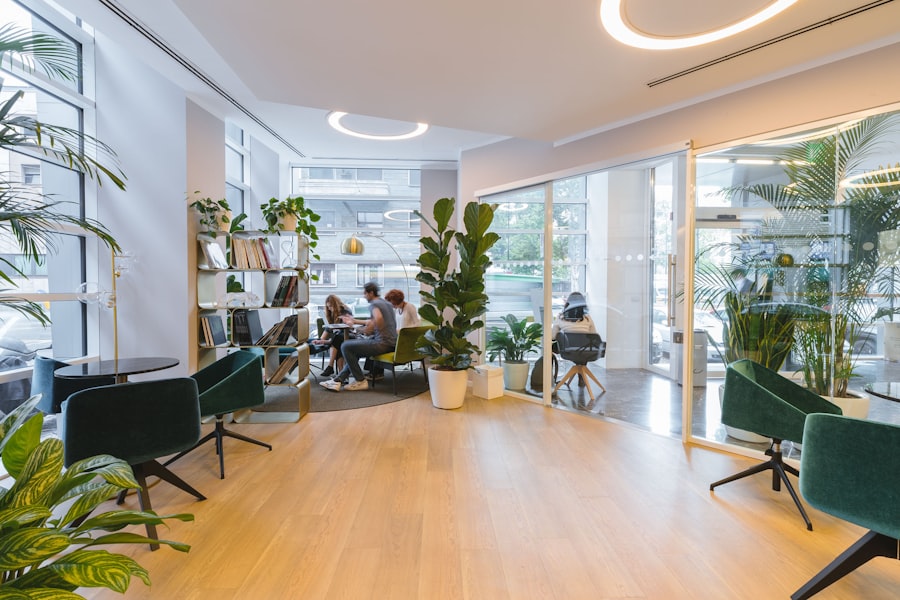
When it comes to flooring in basement apartments, durability and water resistance are essential considerations. Traditional flooring materials like hardwood may not be suitable due to their susceptibility to warping and damage from moisture. Instead, homeowners should explore options specifically designed for high-moisture environments.
For instance, ceramic or porcelain tiles are excellent choices as they are inherently water-resistant and can withstand fluctuations in humidity without compromising their structural integrity. Another viable option is luxury vinyl flooring (LVF), which has gained popularity for its resilience and versatility. LVF mimics the appearance of natural materials like wood or stone while offering superior water resistance.
This makes it an ideal choice for basement apartments where moisture is a concern. Additionally, many manufacturers produce vinyl flooring with enhanced durability features, such as scratch resistance and ease of maintenance, making it a practical solution for busy households.
Evaluating the Importance of Insulation and Temperature Control
Insulation plays a crucial role in maintaining comfortable temperatures in basement apartments, which are often colder than above-ground spaces due to their proximity to the earth. Proper insulation not only helps regulate temperature but also contributes to energy efficiency by reducing heating costs during colder months. Homeowners should consider insulating walls, floors, and ceilings with materials specifically designed for basement applications.
Rigid foam insulation boards are particularly effective as they provide excellent thermal resistance while also acting as a moisture barrier.
Homeowners may need to invest in supplemental heating solutions, such as electric baseboard heaters or radiant floor heating systems, to combat the chill often associated with basement living.
Additionally, installing programmable thermostats can help manage energy consumption while maintaining a consistent temperature throughout the space. By prioritizing insulation and temperature control, residents can create a cozy atmosphere that enhances their overall quality of life.
Balancing Aesthetics with Functionality
Creating a basement apartment that is both aesthetically pleasing and functional requires careful planning and design considerations. While it’s essential to address practical concerns such as moisture control and insulation, homeowners should also focus on creating an inviting atmosphere that reflects their personal style. This can be achieved through thoughtful color choices, lighting solutions, and furniture arrangements that maximize space while enhancing visual appeal.
For instance, using lighter paint colors can help brighten up a basement apartment and create an illusion of more space. Incorporating mirrors strategically can also reflect light and make the area feel larger. Additionally, selecting multi-functional furniture pieces—such as a sofa bed or storage ottoman—can optimize space without sacrificing style.
By striking a balance between aesthetics and functionality, homeowners can transform their basement apartments into comfortable retreats that cater to both practical needs and personal tastes.
Budgeting for Flooring Installation and Maintenance
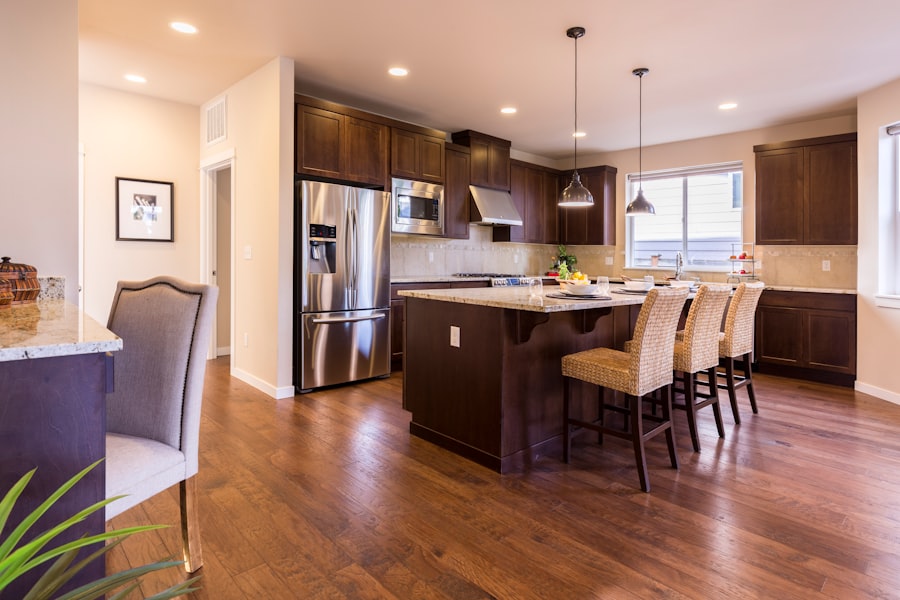
Material Costs and Considerations
Homeowners should conduct thorough research on pricing and consider factors such as durability, maintenance requirements, and potential long-term savings when making their selections. This will help ensure that the chosen flooring material meets their needs and fits within their budget.
Installation Expenses and Quality Workmanship
In addition to material costs, it’s essential to factor in installation expenses. While some homeowners may opt for DIY installation to save money, professional installation can ensure that flooring is laid correctly, particularly in challenging environments like basements where moisture control is paramount. It’s advisable to obtain multiple quotes from contractors to find a balance between quality workmanship and affordability.
Contingency Planning for Unexpected Expenses
Furthermore, setting aside a contingency fund for unexpected expenses during installation can help mitigate financial strain. This will provide a buffer in case of unexpected issues or additional work required, ensuring that the project stays on track and within budget.
Discussing the Benefits of Carpeting in Basement Apartments
Carpeting can be an appealing option for basement apartments due to its warmth and comfort underfoot. Unlike cold tile or concrete floors, carpet provides a cozy atmosphere that can make a basement feel more inviting. Additionally, carpeting offers sound insulation benefits, which can be particularly advantageous in multi-unit buildings where noise transfer between floors may be an issue.
The soft texture of carpet can absorb sound waves, creating a quieter living environment. However, it’s important to choose the right type of carpet for basement applications. Homeowners should look for carpets made from synthetic fibers that are resistant to moisture and mold growth.
Additionally, using a moisture barrier pad underneath the carpet can further protect against potential water damage. While carpeting may require more maintenance than hard surface flooring options—such as regular vacuuming and occasional deep cleaning—the comfort it provides can make it a worthwhile investment for many residents.
Weighing the Pros and Cons of Hardwood and Laminate Flooring
Hardwood flooring is often lauded for its timeless beauty and durability; however, its suitability for basement apartments is often debated due to moisture concerns. While solid hardwood is generally not recommended for below-grade installations because it can warp or buckle when exposed to humidity, engineered hardwood may be a viable alternative. Engineered hardwood consists of layers that provide added stability against moisture fluctuations while still offering the aesthetic appeal of natural wood.
Laminate flooring presents another option that mimics the look of hardwood but typically comes at a lower price point. It is more resistant to moisture than traditional hardwood; however, it’s essential to choose high-quality laminate products designed specifically for basements. While laminate flooring is easier to install and maintain than hardwood, it may lack the longevity associated with solid wood options.
Homeowners must weigh these pros and cons carefully when deciding on flooring materials for their basement apartments.
Exploring the Versatility of Vinyl and Linoleum Flooring
Vinyl and linoleum flooring have emerged as popular choices for basement apartments due to their versatility and resilience against moisture. Vinyl flooring comes in various styles, colors, and patterns, allowing homeowners to achieve their desired aesthetic without compromising on functionality. Its water-resistant properties make it an ideal choice for areas prone to spills or humidity, ensuring that it remains intact over time.
Linoleum flooring offers similar benefits but is made from natural materials such as linseed oil, cork dust, and wood flour. This eco-friendly option is biodegradable and provides excellent durability while being resistant to scratches and dents. Both vinyl and linoleum are relatively easy to install and maintain compared to other flooring types, making them practical choices for busy households or those looking for cost-effective solutions without sacrificing style.
Considering the Environmental Impact of Flooring Materials
As awareness of environmental issues grows, many homeowners are becoming increasingly conscious of the ecological impact of their flooring choices. When selecting materials for basement apartments, it’s essential to consider sustainability factors such as sourcing practices, manufacturing processes, and end-of-life disposal options. For instance, opting for flooring made from recycled materials or sustainably harvested wood can significantly reduce one’s carbon footprint.
Additionally, some manufacturers offer certifications indicating that their products meet specific environmental standards—such as low volatile organic compound (VOC) emissions—which contribute to better indoor air quality. Homeowners should also explore options like bamboo or cork flooring, both of which are renewable resources that provide durability while minimizing environmental impact. By prioritizing eco-friendly materials in their flooring choices, residents can create healthier living spaces while contributing positively to the planet.
Seeking Professional Advice and Installation Services
Navigating the complexities of flooring selection and installation in basement apartments can be daunting; therefore, seeking professional advice is often beneficial. Flooring specialists possess extensive knowledge about various materials’ performance characteristics in different environments, enabling them to recommend suitable options based on individual needs and preferences. Consulting with professionals can also help homeowners avoid common pitfalls associated with improper installation or material selection.
When considering installation services, it’s crucial to choose reputable contractors with experience working specifically in basement environments. Professionals will understand the unique challenges posed by moisture control and will have access to specialized tools required for proper installation techniques. Obtaining references or reading reviews from previous clients can provide valuable insights into a contractor’s reliability and workmanship quality.
By enlisting expert assistance throughout the process—from material selection to installation—homeowners can ensure that their basement apartments are both functional and aesthetically pleasing.
When it comes to choosing flooring for basement apartments in Brooklyn, it’s important to consider not only aesthetics but also functionality. One related article that provides valuable insights into elevating your home with thoughtful renovations is this one. This article discusses the importance of making strategic renovations to enhance the overall look and feel of your living space. By incorporating stylish makeovers that elevate interior design, you can create a more inviting and comfortable environment for yourself and your guests. Additionally, if you’re looking to convert your basement into a home office, this article offers practical tips and inspiration to help you make the most of your space.
FAQs
What are the best flooring options for basement apartments in Brooklyn?
Some of the best flooring options for basement apartments in Brooklyn include vinyl plank, ceramic tile, and engineered hardwood. These options are durable, moisture-resistant, and can withstand the unique challenges of basement living.
Why is it important to choose the right flooring for basement apartments in Brooklyn?
Choosing the right flooring for basement apartments in Brooklyn is important because basements are prone to moisture and humidity. The right flooring can help prevent water damage, mold, and mildew, and create a comfortable and safe living environment.
What factors should be considered when choosing flooring for basement apartments in Brooklyn?
When choosing flooring for basement apartments in Brooklyn, it’s important to consider factors such as moisture resistance, durability, ease of installation, and the overall aesthetic of the space. Additionally, budget and maintenance requirements should also be taken into account.
Can carpet be a good option for basement apartments in Brooklyn?
While carpet can provide warmth and comfort, it may not be the best option for basement apartments in Brooklyn due to the potential for moisture and humidity. If carpet is desired, it’s important to choose a moisture-resistant and mold-resistant option.
Is it necessary to install a moisture barrier under the flooring in a basement apartment in Brooklyn?
Yes, it is necessary to install a moisture barrier under the flooring in a basement apartment in Brooklyn. This helps prevent moisture from seeping through the concrete slab and causing damage to the flooring above. A moisture barrier can also help regulate humidity levels in the space.